Meetings are a normal part of business life, but a meeting without a plan often wastes time, drifts off topic and ends without clear decisions. A meeting agenda fixes that. It tells everyone why they are meeting, what will be discussed and how long each item should take.
This page offers 19 free meeting agenda templates in MS Word format. They cover formal, informal, board, departmental, project, daily, weekly and annual general meetings, so you can choose the layout that matches your needs, edit it and send it out in minutes.
What Is a Meeting Agenda?
A meeting agenda is a list of the topics to be covered in a meeting, usually in the order they will be discussed. It acts like a roadmap: attendees can prepare ahead of time, stay focused during the discussion and see when the meeting is drifting from its purpose.
An agenda typically includes the meeting title, date, time, location, attendees and a set of agenda items. Many also assign a time limit and a presenter to each item so the meeting stays on schedule.
Why Use a Meeting Agenda Template?
- Better focus: everyone knows the goals before the meeting starts.
- Shorter meetings: timed items keep discussion moving.
- More participation: attendees who know the topics can prepare useful input.
- Clear records: the agenda can be used later as the base for meeting minutes.
- Professional look: a formatted document shows that the meeting is well organized.
- Time savings: you do not need to build the structure from scratch each time.
What to Include in a Meeting Agenda
- Title and purpose: a short statement of why the meeting is being held.
- Date, time and location: including a video link for online meetings.
- Attendee list: who is invited and who is presenting.
- Call to order and welcome: a quick opening, especially for formal meetings.
- Approval of previous minutes: for board and committee meetings.
- Main discussion items: each topic with an owner and a time estimate.
- Action items: tasks assigned during the meeting with deadlines.
- Any other business: a short slot for extra points.
- Next meeting and adjournment: the date of the next session and a formal close.
Types of Meeting Agendas
Different meetings need different structures. A formal board meeting follows a set order, including roll call, minutes, reports and votes. A daily stand-up needs only a few quick items. Project meetings focus on progress, risks and next steps, while annual general meetings (AGMs) cover reports, elections and resolutions. The templates below include options for each of these.
Download Meeting Agenda Templates in MS Word
Formal Meeting Agenda Template
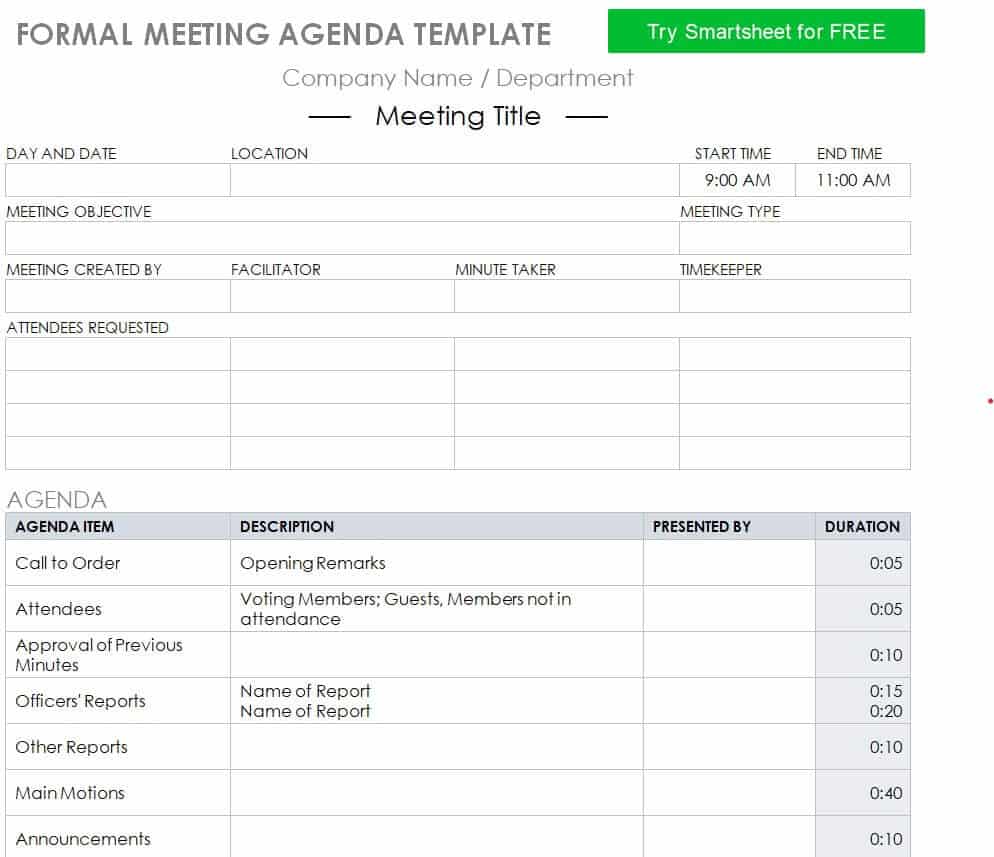
Download Formal Meeting Agenda Template
Professional Meeting Agenda Template
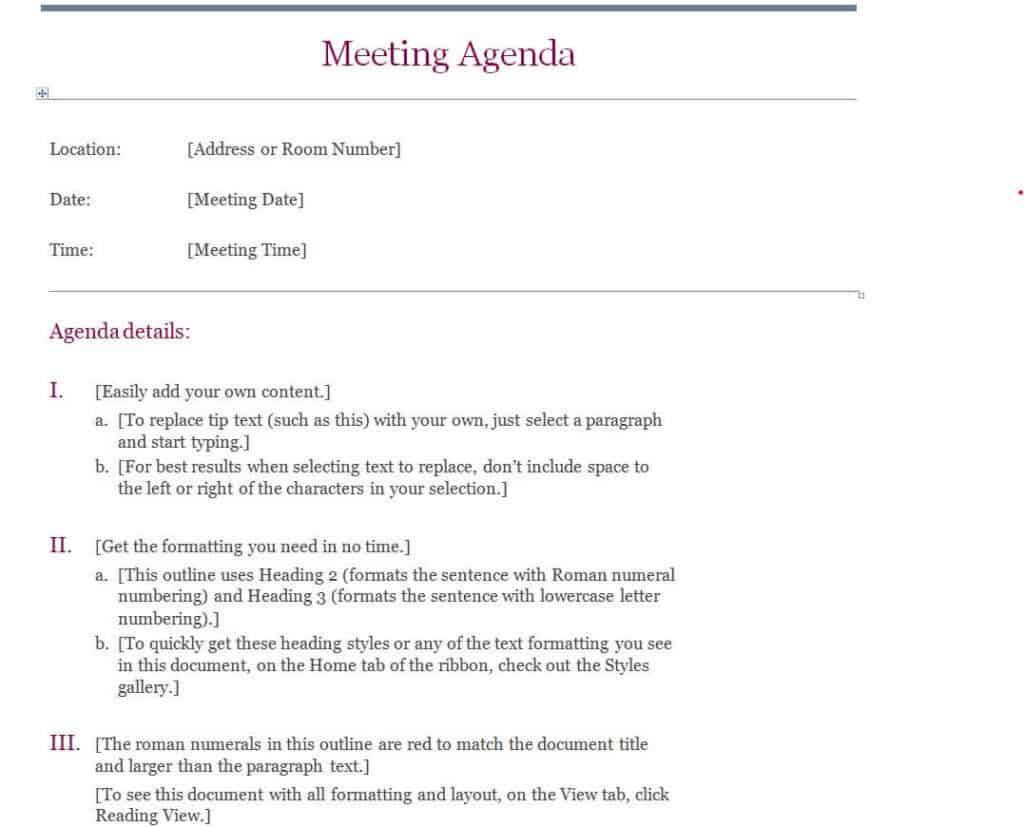
Download Professional Meeting Agenda Template
Fillable Business Meeting Agenda Word Template
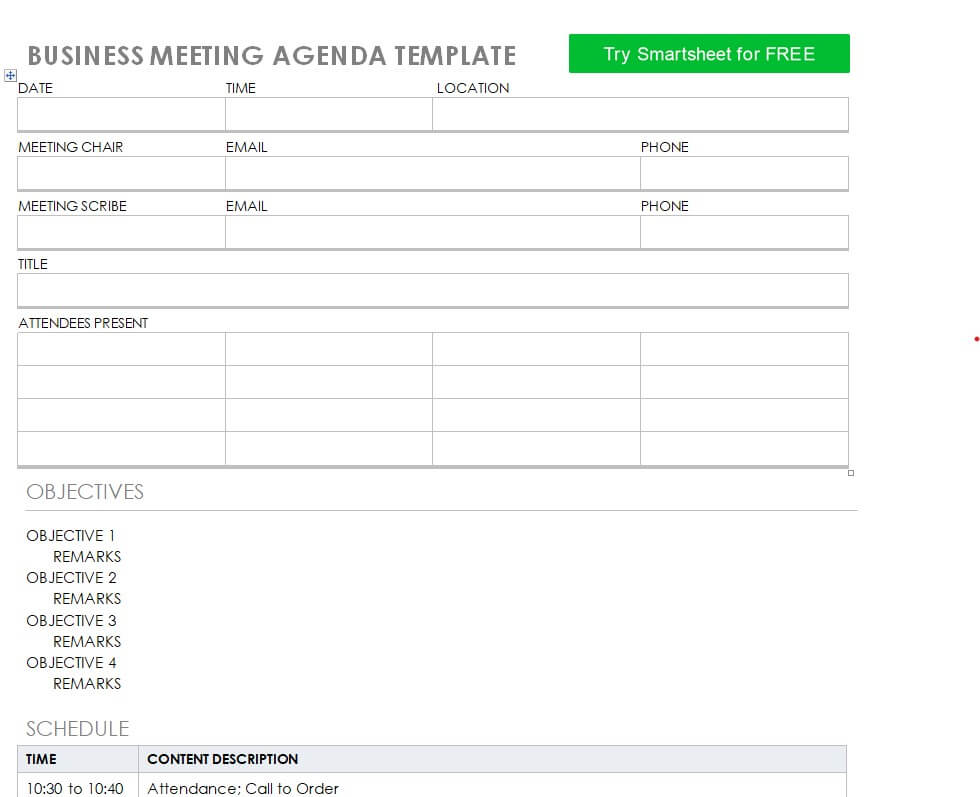
Download Fillable Business Meeting Agenda Template
Departmental Meeting Agenda Sample
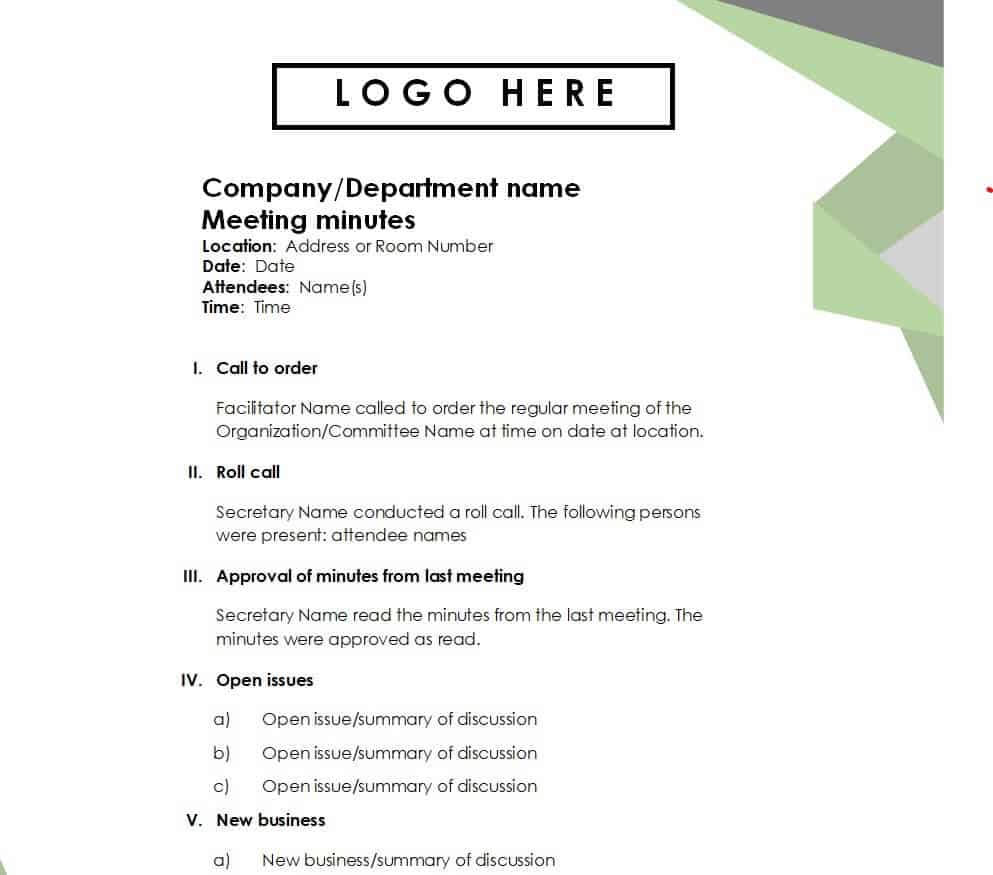
Download Departmental Meeting Agenda Sample
Company’s Board Meeting Agenda Template
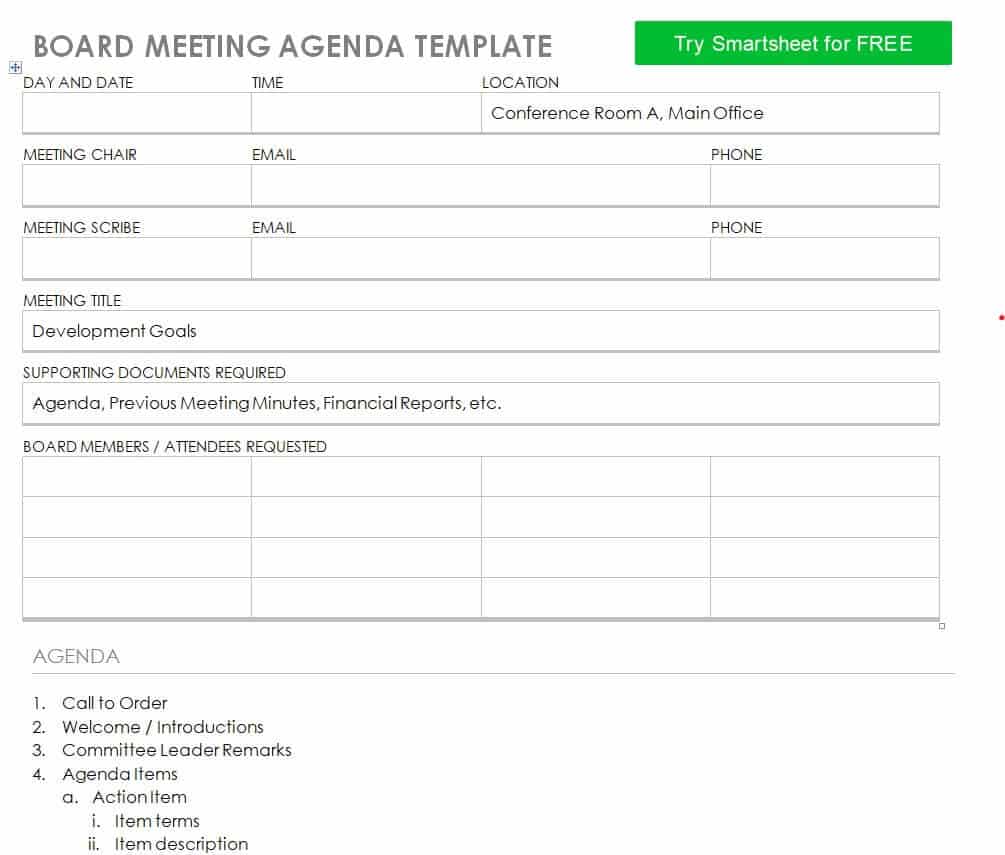
Download Board Meeting Agenda Template
Standard Meeting Agenda Template in DOC Format
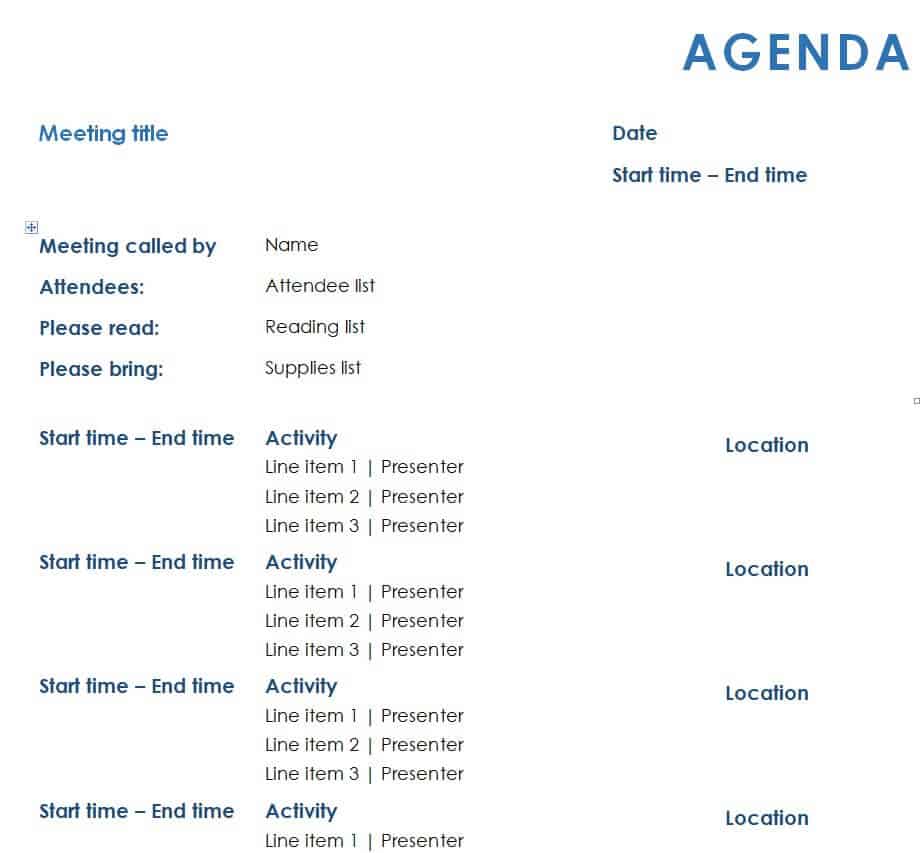
Download Standard Meeting Agenda Template
Example Meeting Agenda Format
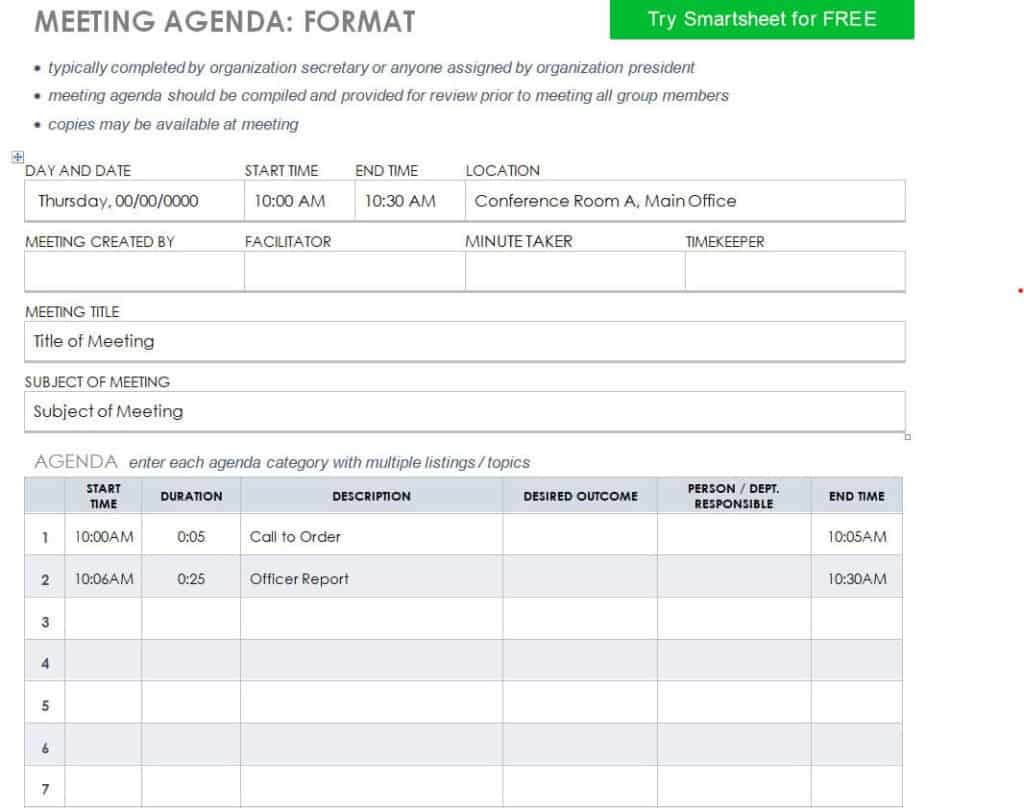
Download Example Meeting Agenda Format
Free Editable Public Meeting Agenda Template
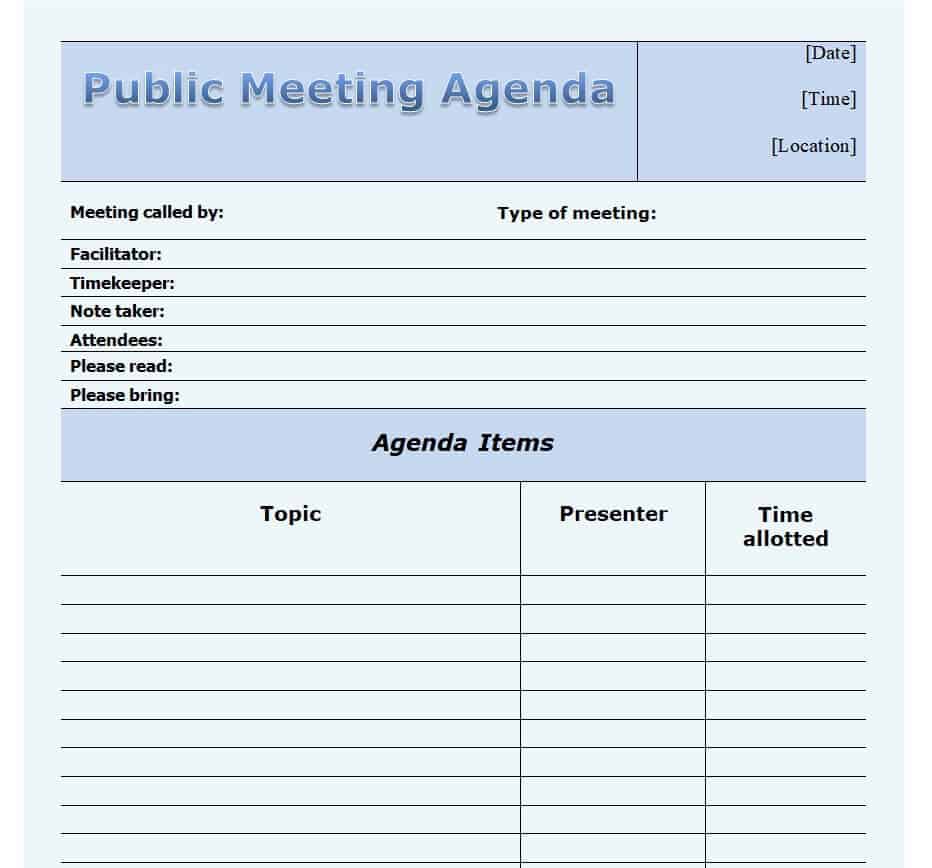
Download Public Meeting Agenda Template
Formal Meeting Agenda Sample WORD
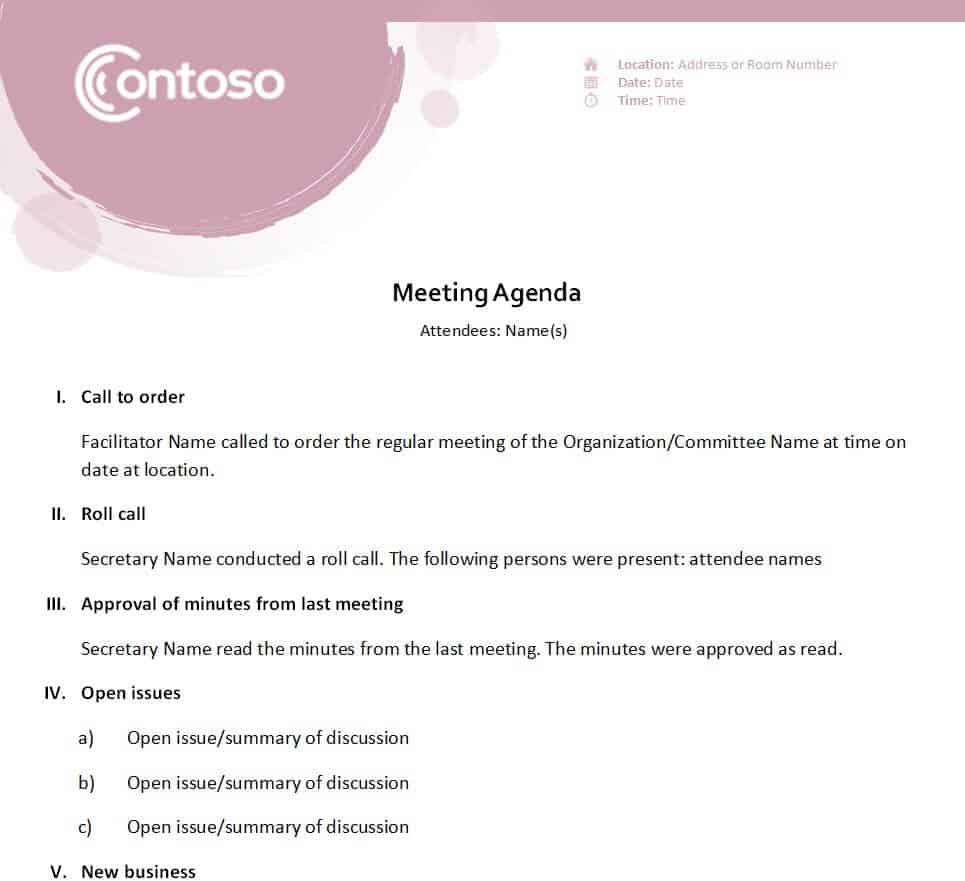
Download Formal Meeting Agenda Sample
Simple Meeting Agenda Template Printable
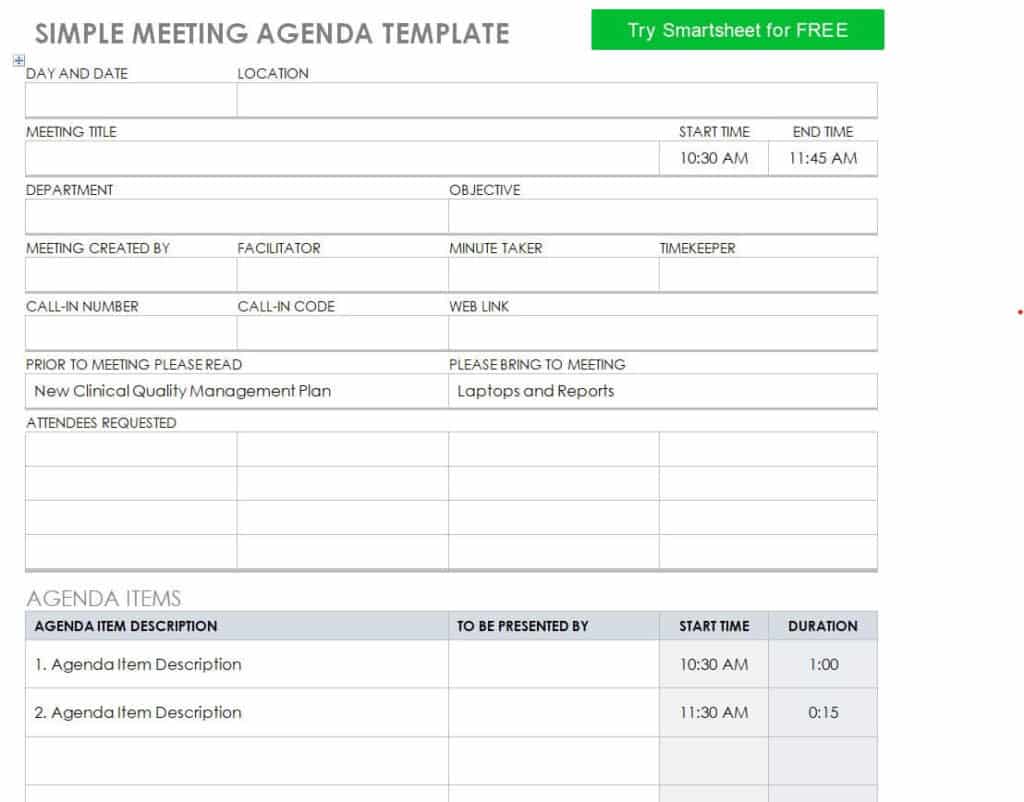
Download Simple Meeting Agenda Template
Annual General Meeting Agenda Outline Sample
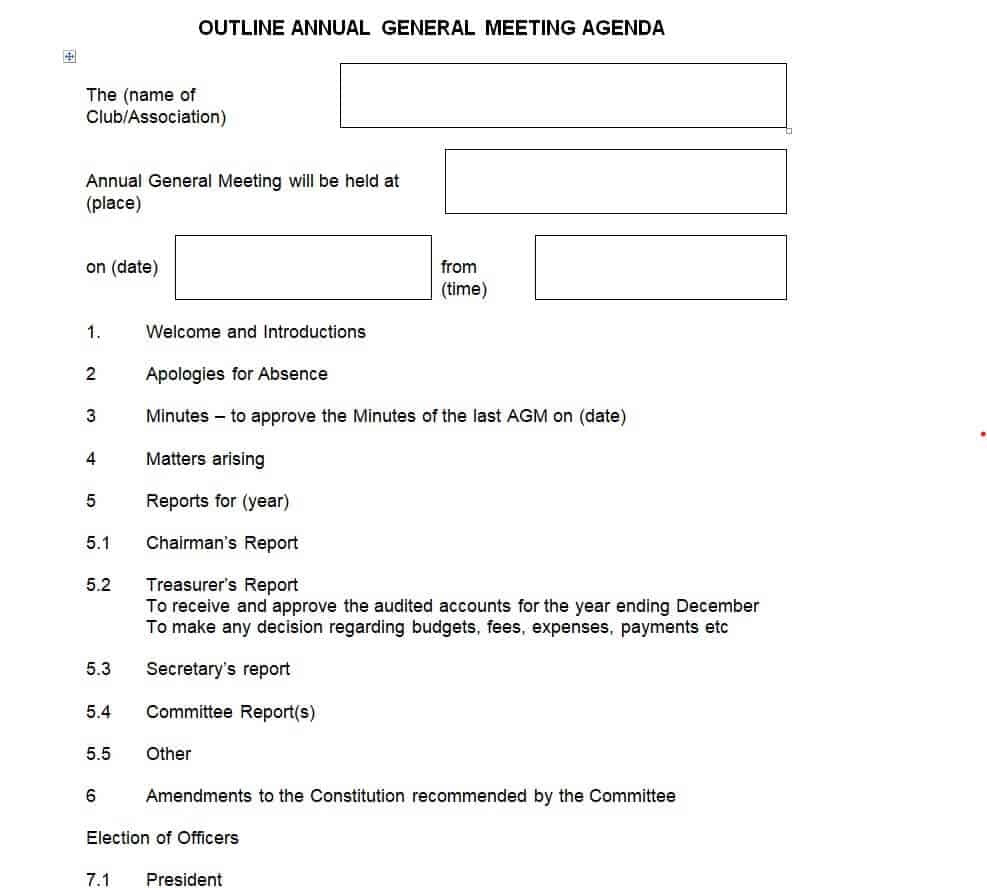
Download AGM Agenda Outline Sample
Informal Meeting Agenda Example in MS WORD
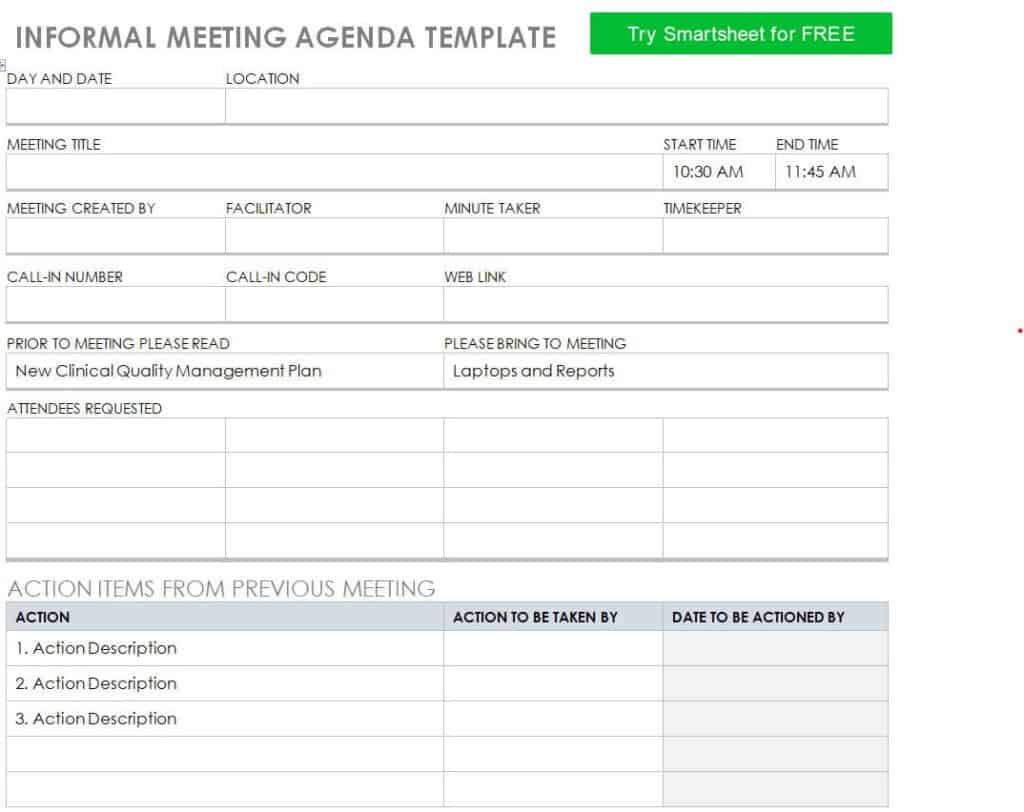
Download Informal Meeting Agenda Example
Official Meeting Agenda Word Template
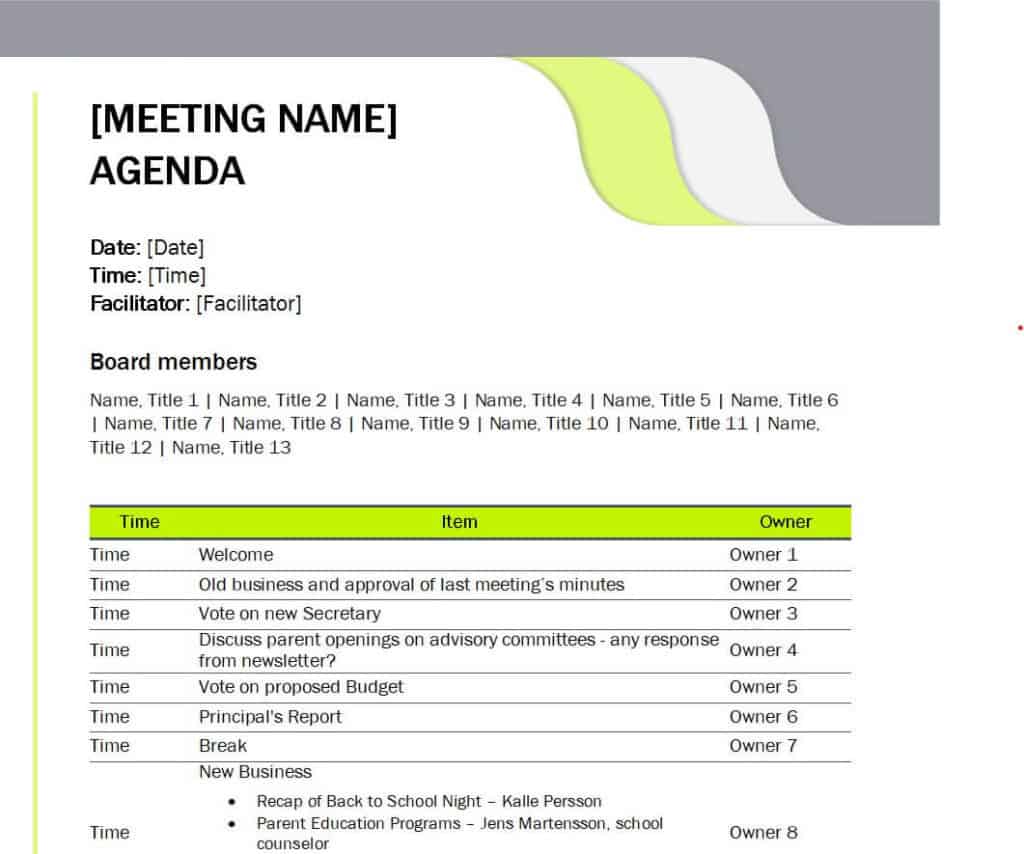
Download Official Meeting Agenda Template
Daily Meeting Agenda Example
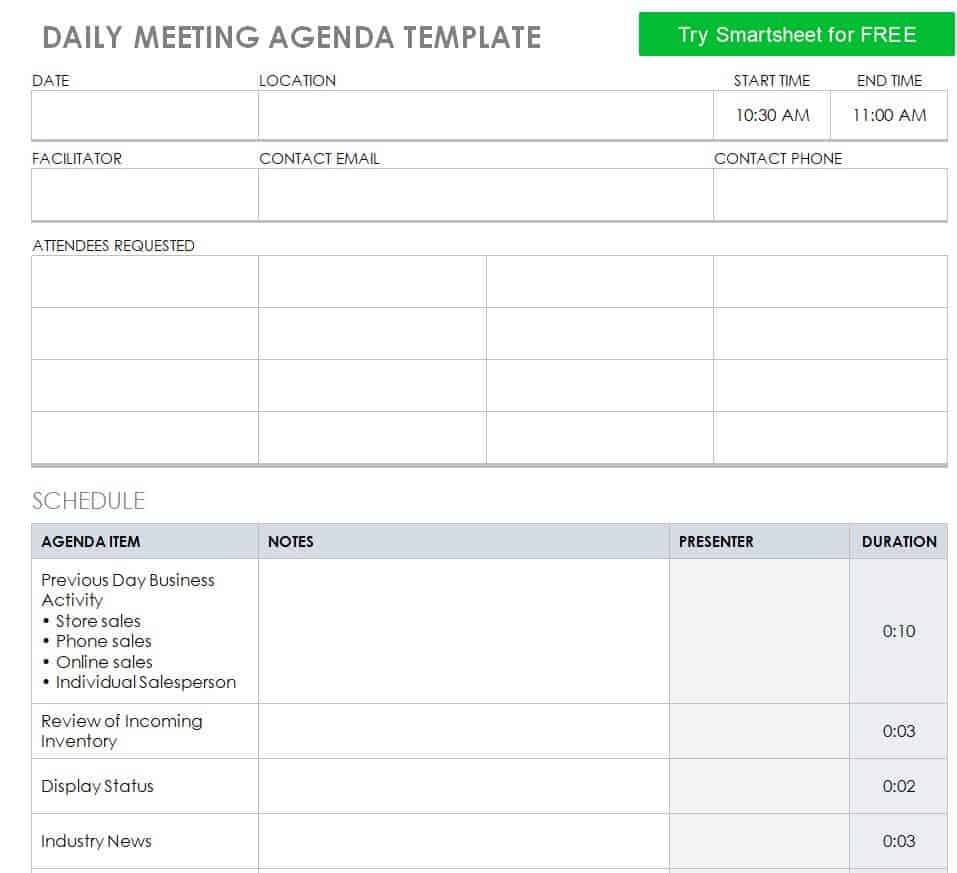
Download Daily Meeting Agenda Example
Project Meeting Agenda Template
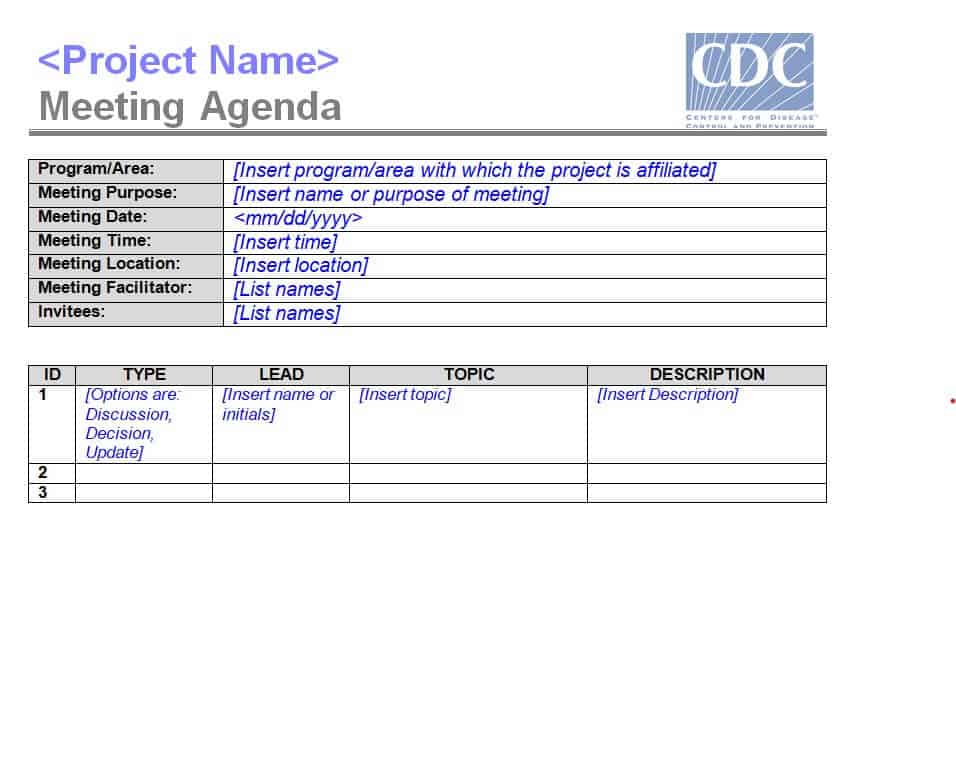
Download Project Meeting Agenda Template
Online Staff Meeting Agenda Template
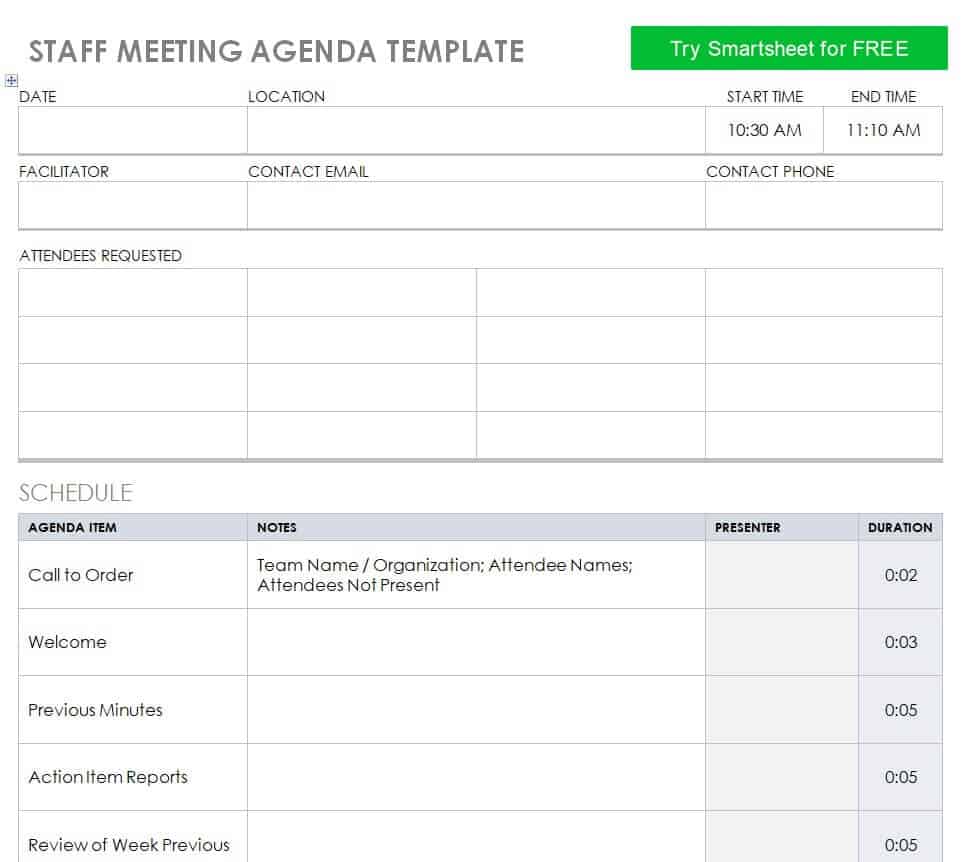
Download Online Staff Meeting Agenda Template
Practical Team Meeting Agenda Template in MS WORD
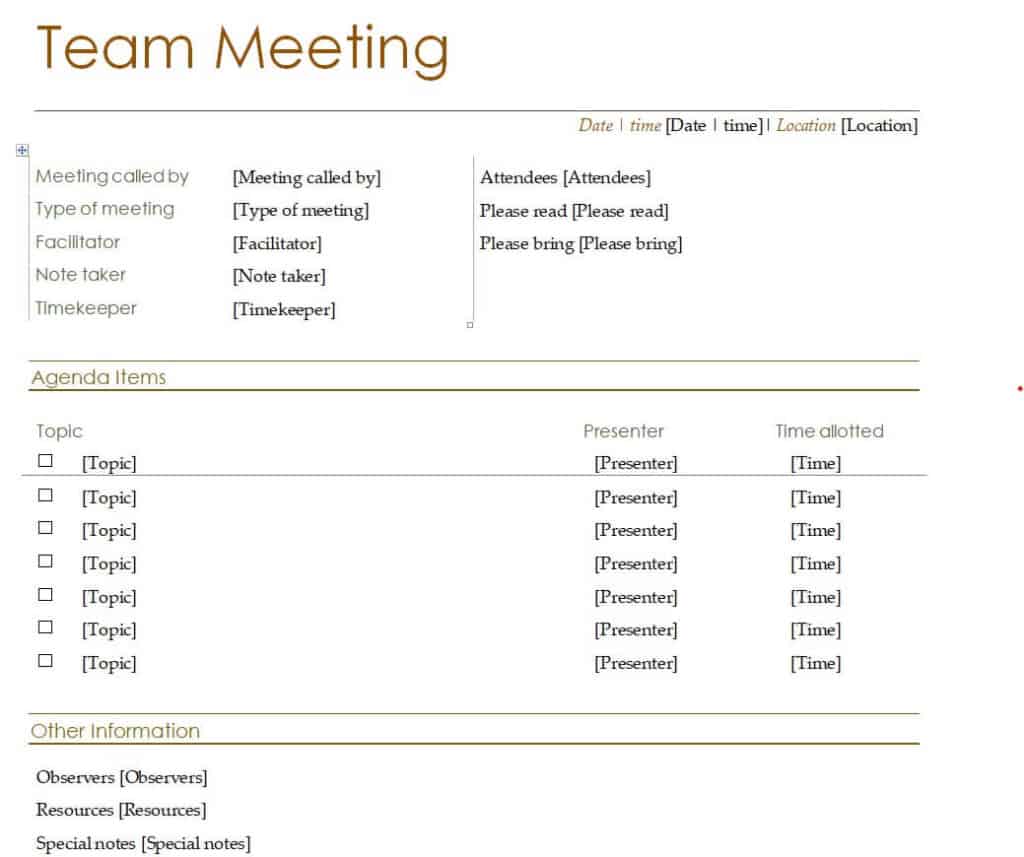
Download Team Meeting Agenda Template
Classic Meeting Agenda Layout Template
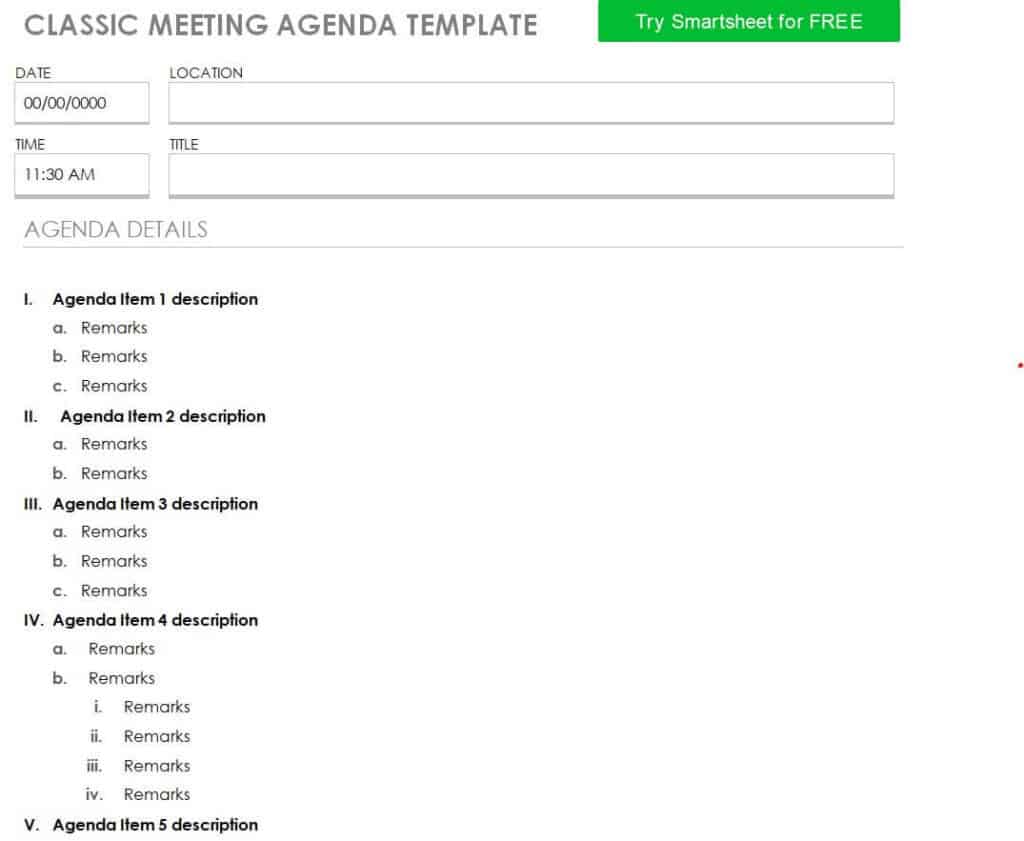
Download Classic Meeting Agenda Layout
Weekly Meeting Agenda Example WORD
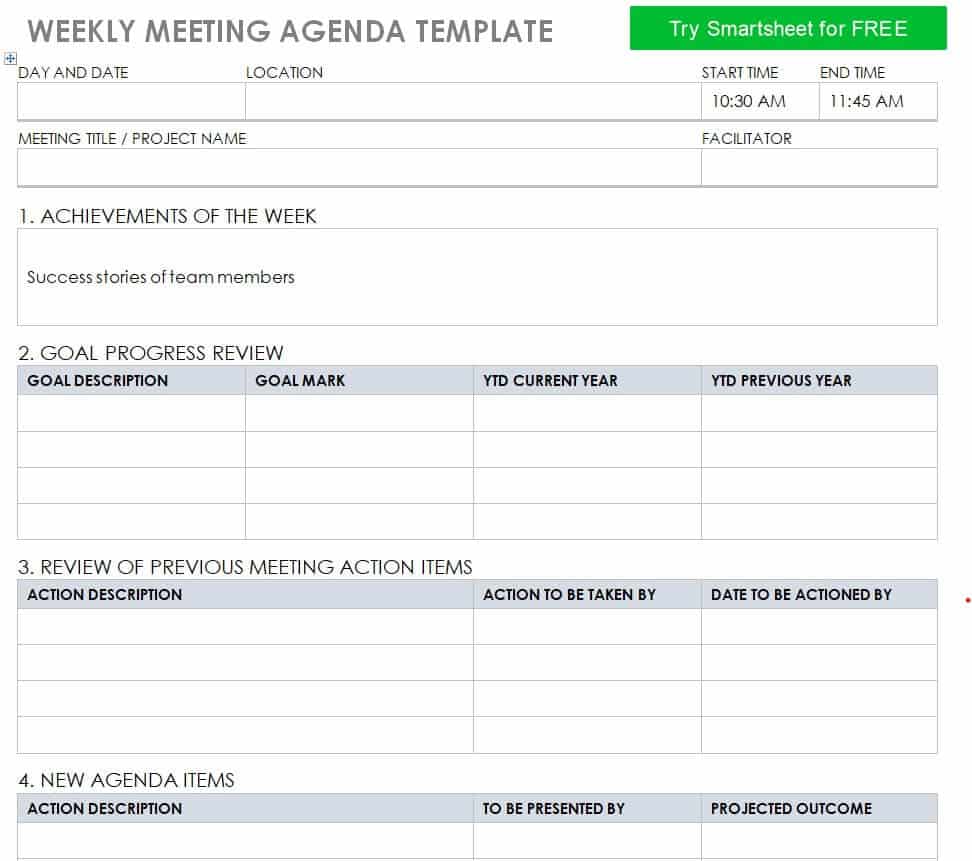
Download Weekly Meeting Agenda Example
How to Write a Meeting Agenda Step by Step
- Set the goal. Decide what the meeting must achieve, such as a decision, an update or a brainstorm.
- Choose a template. Pick the format from above that fits the meeting type.
- List the topics. Gather input from attendees and keep only what belongs in this meeting.
- Order the items. Put the most important or time-sensitive topics first.
- Assign time and owners. Give each item a time limit and a person who will lead it.
- Add supporting material. Attach reports or documents attendees should read beforehand.
- Send it early. Share the agenda at least a day ahead, or longer for formal meetings.
- Follow it during the meeting. Stick to the order and time limits, and note action items as you go.
Tips for an Effective Meeting Agenda
- Keep it to one page whenever possible.
- Phrase items as questions or outcomes, such as “Approve Q3 budget,” so people know what is expected.
- Do not overload the agenda. A few well-handled topics beat a long list that runs over.
- Leave a few minutes at the end for questions and next steps.
- Match the formality to the audience. Board meetings need structure, while team check-ins can be casual.
- Review the agenda afterward and use it to write the minutes.
Frequently Asked Questions (FAQs)
What is a meeting agenda?
A meeting agenda is a list of topics, times and responsible people that guides a meeting. It helps attendees prepare and keeps the discussion focused.
What is the difference between a meeting agenda and meeting minutes?
The agenda is prepared before the meeting to plan what will be discussed. Minutes are written during or after the meeting to record what was actually said, decided and assigned.
How long should a meeting agenda be?
Ideally one page. It should list the main topics with time estimates, without turning into a full script.
Are these meeting agenda templates free?
Yes. You can download each Word template on this page at no cost and edit it for your own meetings.
What should be on a formal meeting agenda?
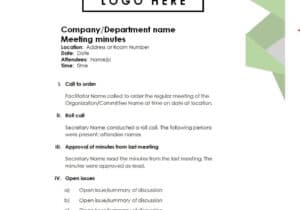
A formal agenda usually includes a call to order, roll call, approval of previous minutes, reports, old and new business, announcements and adjournment.
When should I send the agenda?
Send it at least 24 hours before the meeting. For board or public meetings, follow any notice period required by your organization’s rules or local law.
Can I use these templates for online meetings?
Yes. Add the video link, dial-in details and any tools attendees will need, then use the same structure as an in-person meeting.
Final Thoughts
A clear agenda is one of the easiest ways to make meetings shorter and more productive. With 19 free Word templates to choose from, you can find the right format for any type of meeting, fill in your topics and share it with your team. Download the template you need and start running meetings that stay on track.

You must be logged in to post a comment.