An affidavit is a written statement you swear or affirm to be true. An “affidavit of truth” is a common name for a sworn statement in which a person declares facts they say are true, often for filing with an official office or attaching to a legal or administrative matter.
Below are 6 free affidavit of truth samples to review. This guide explains what an affidavit of truth is, what it usually contains, how notarization works, and important limits on what these documents can do.
What Is an Affidavit of Truth?
An affidavit of truth is a sworn written declaration made under oath, usually signed in front of a notary public or other authorized officer. The person making it, called the affiant, states specific facts and swears they are true to the best of their knowledge. Some people use this format to record statements for a private record or to file with a county recorder’s office.
You may see the phrase used in connection with sovereign citizen or “freeman” materials. Courts in the United States have consistently rejected the legal claims made in those materials, and an affidavit alone does not change your legal status, exempt you from laws, or cancel debts or taxes. If you need a sworn statement for a specific legal purpose, speak with a licensed attorney.
Benefits of Using an Affidavit Template
- Correct structure: Templates include the caption, statement of facts, jurat, and signature block.
- Saves time: You avoid drafting the format from scratch.
- Lower cost: A sample can reduce the time you need to spend with a lawyer.
- Easy to customize: Replace the sample facts with your own truthful statements.
What an Affidavit of Truth Usually Includes
- Title, such as “Affidavit of Truth”
- The affiant’s full name and address
- Jurisdiction, such as state and county
- Numbered paragraphs stating the facts being sworn to
- A statement that the facts are true and made under penalty of perjury
- The affiant’s signature and date
- A jurat or notary block, where the notary confirms the oath
Note: These samples are for general reference and are not legal advice. Laws about affidavits vary by state and country. Only swear to facts you know to be true, because false statements under oath can lead to penalties for perjury. Consult a licensed attorney for your situation.
Affidavit of Truth Templates and Samples
Each download button opens the original source of the sample on the provider’s website.
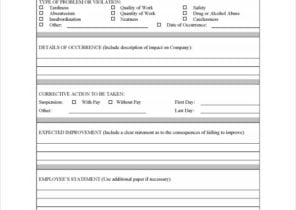
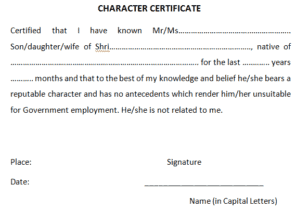
Affidavit of Truth Template 1


Affidavit of Truth Template 2

Affidavit of Truth Template 3

Affidavit of Truth Template 4 (Status Affidavit)

Affidavit of Truth Template 5 (County Example)

Affidavit of Truth Template 6 (Free Format)

How to Write an Affidavit of Truth
- Add a title and caption. Write “Affidavit of Truth” and, if needed, the court or agency name and case number.
- Identify yourself. State your full legal name, address, and that you are over 18 and competent to testify.
- State the facts. Use short, numbered paragraphs. Stick to facts you personally know, not opinions or legal arguments.
- Add the oath. Include wording such as “I swear or affirm under penalty of perjury that the foregoing is true and correct.”
- Sign in front of a notary. Do not sign in advance. The notary will verify your identity and complete the jurat.
- Keep copies. Make copies for your records and for any office where you will file it.
Affidavit vs. Declaration vs. Notarized Statement
| Document | Sworn? | Notary needed? |
|---|---|---|
| Affidavit | Yes, under oath | Yes, usually |
| Unsworn declaration under penalty of perjury | Yes, by signed statement where allowed by law | Often not |
| Plain notarized statement | Depends on the notarial act | Yes |
Tips for a Valid Affidavit
- Be truthful and precise, and avoid exaggeration.
- Stick to first-hand knowledge.
- Use clear, simple language.
- Check local rules for format, filing, and fees.
- Ask an attorney if the affidavit will be used in court or for a legal claim.
Frequently Asked Questions (FAQs)
What is an affidavit of truth?
It is a sworn written statement in which a person declares that certain facts are true, usually signed before a notary.
Is an affidavit of truth legally binding?
An affidavit is binding in the sense that you swear to its truth and can be penalized for lying. It does not by itself change your legal rights or obligations.
Does an affidavit of truth make me exempt from laws or taxes?
No. Courts have repeatedly rejected claims that a self-declared status or affidavit can exempt someone from laws, taxes, or court jurisdiction.
Do I need a notary?
Usually yes, because a notary verifies your identity and witnesses your oath. Some places accept unsworn declarations under penalty of perjury instead.
Where can I file an affidavit of truth?
That depends on its purpose. Some people file with a county recorder’s office, while others attach the affidavit to a court or agency filing. Ask the receiving office about its requirements.
Can I write one without a lawyer?
Yes, you can prepare a simple affidavit yourself using a template, but a lawyer is wise if there is a legal dispute or significant consequences.
What happens if I lie in an affidavit?
Knowingly false statements under oath can be prosecuted as perjury, which can carry fines and jail time.
Final Thoughts
An affidavit is a serious document, so accuracy matters more than format. Use the samples above to understand the structure, state only true facts, and get legal advice before relying on the document for anything important.






You must be logged in to post a comment.