A clear return policy tells customers exactly what to do when they need to send a product back. It builds trust, reduces disputes, and shows that your business is professional and fair. Whether you run a physical shop, a small online store, or a larger company, a written policy is one of the simplest ways to protect both your customers and your business. The free return policy templates below, available in Word and PDF formats, give you a strong starting point. This guide also explains what to include, how to write a policy step by step, and answers common questions.
Most successful businesses treat the return policy as a vital part of their customer service. When shoppers know they can return a damaged or unsuitable product without hassle, they are far more comfortable buying in the first place. A well-written policy also gives your team clear rules to follow, so every customer is treated consistently.
What Is a Return Policy?
A return policy is a document that explains the conditions under which customers can return or exchange products and how they can receive a refund, replacement, or store credit. It typically covers time limits, product condition, proof of purchase, the return process, refund methods, and any exceptions. Many businesses display the policy on their website, at checkout, on receipts, and in store.
Why Your Business Needs a Return Policy
- Builds customer trust: shoppers feel safer buying when they know the rules for returns.
- Reduces disputes: clear terms prevent misunderstandings and arguments.
- Saves staff time: employees have a standard process to follow instead of making one-off decisions.
- Protects your business: you can set reasonable limits on time frames, product condition, and refund types.
- Improves conversions: online shoppers often check return terms before they buy, so a friendly policy can boost sales.
- Shows professionalism: a written policy signals that you run an organized, customer-focused business.
What to Include in a Return Policy
Return Window
State how many days customers have to return an item after purchase or delivery, such as 14, 30, or 60 days.
Eligible and Non-Eligible Items
Explain which items can be returned and which cannot, such as final-sale items, personalized products, or perishable goods.
Condition of Returned Goods
Say whether items must be unused, in original packaging, and with tags attached.
Proof of Purchase
Mention what customers need to show, such as a receipt, order number, or confirmation email.
Return Process
Describe the steps to start a return, including how to contact you, where to send items, and who pays for return shipping.
Refunds, Exchanges and Store Credit
Explain how and when refunds are issued, the payment method used, and whether exchanges or store credit are offered.
Damaged or Defective Items
Tell customers what to do if they receive a damaged, defective, or incorrect product.
Free Printable Return Policy Templates
Preview each template below and use the Download button to save the file.
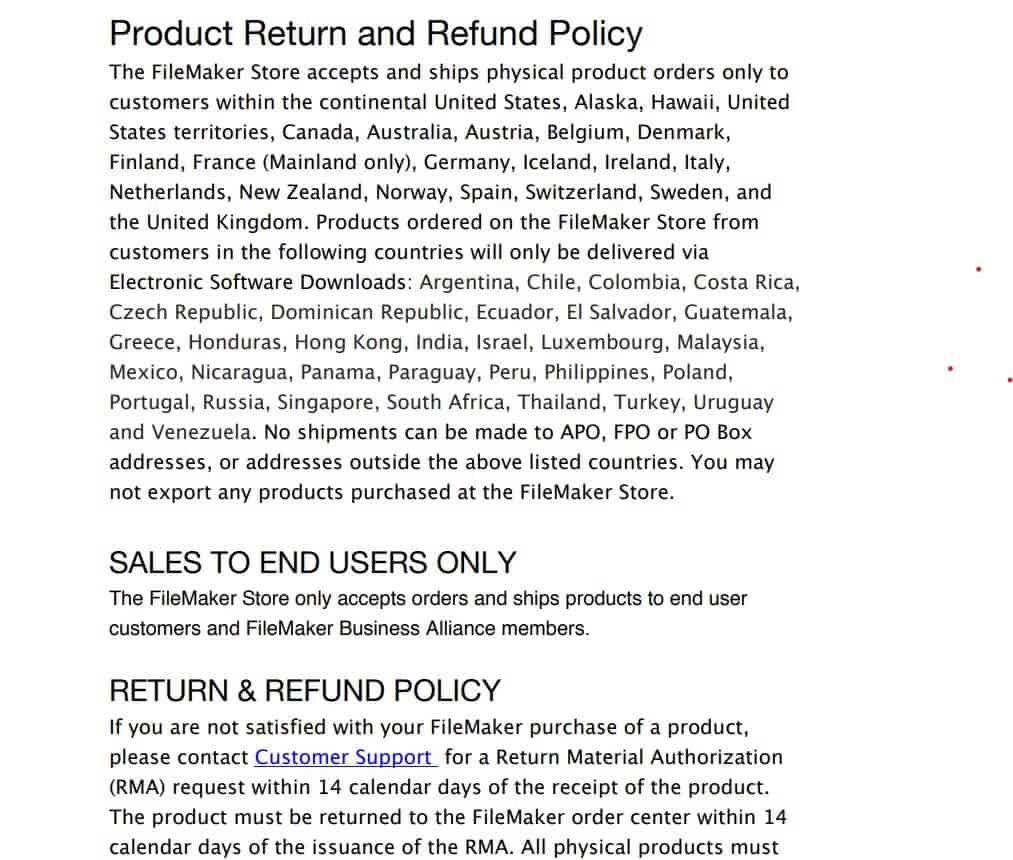
Product Return and Refund Policy Example (PDF Format)
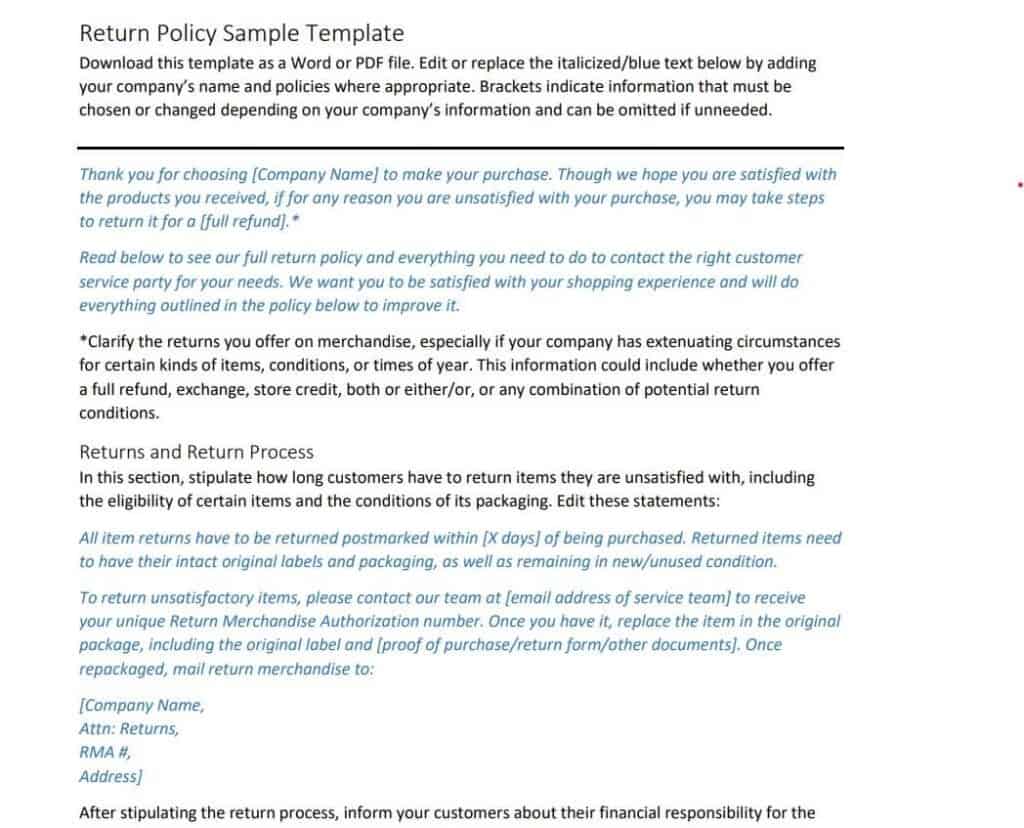
Return Policy Sample Template
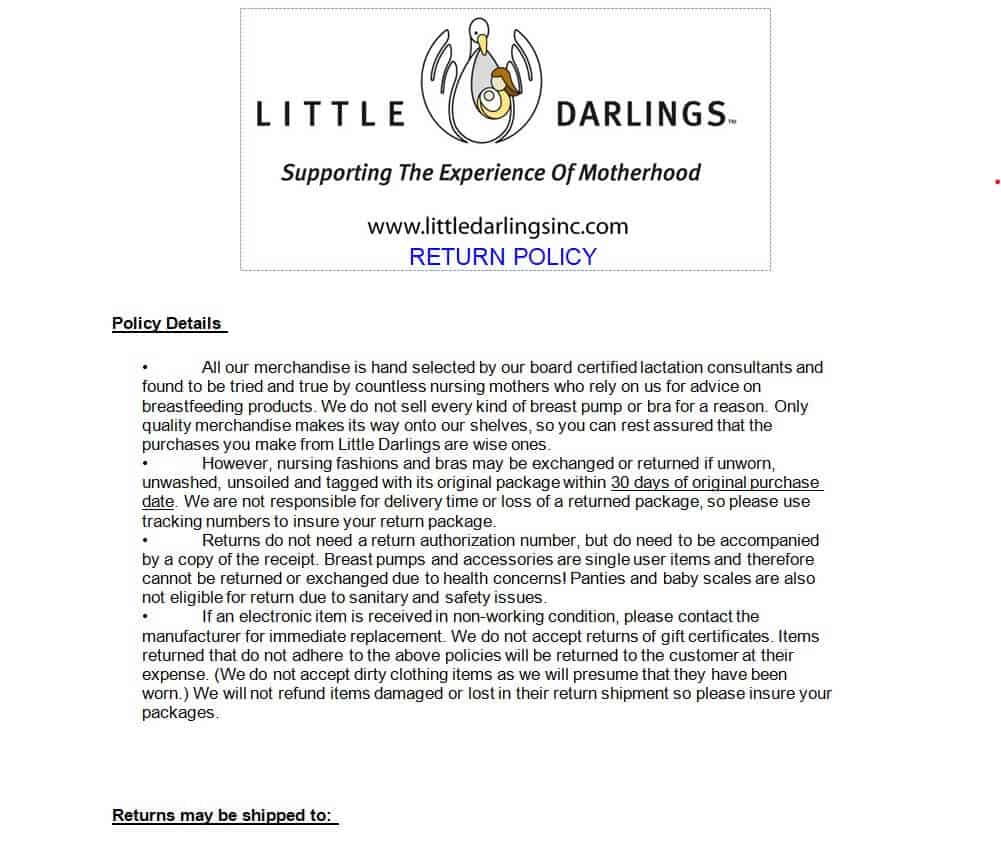
Free Editable Return Policy Template (Word)
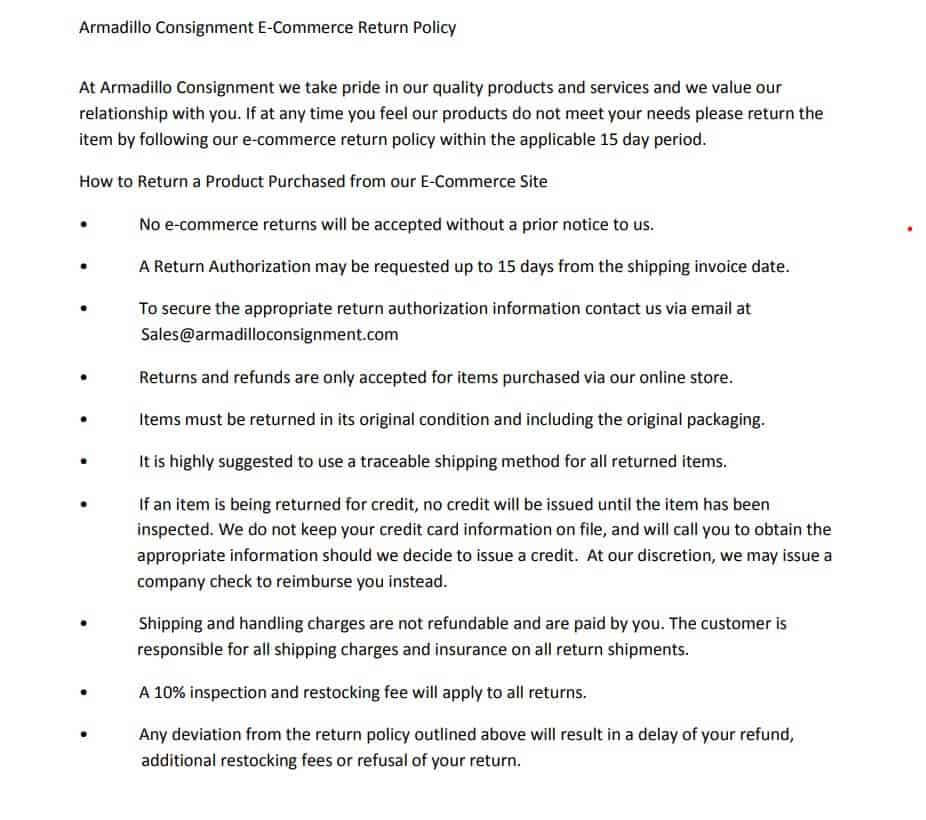
E-Commerce Return Policy Template
Free Printable Product Return Policy Template
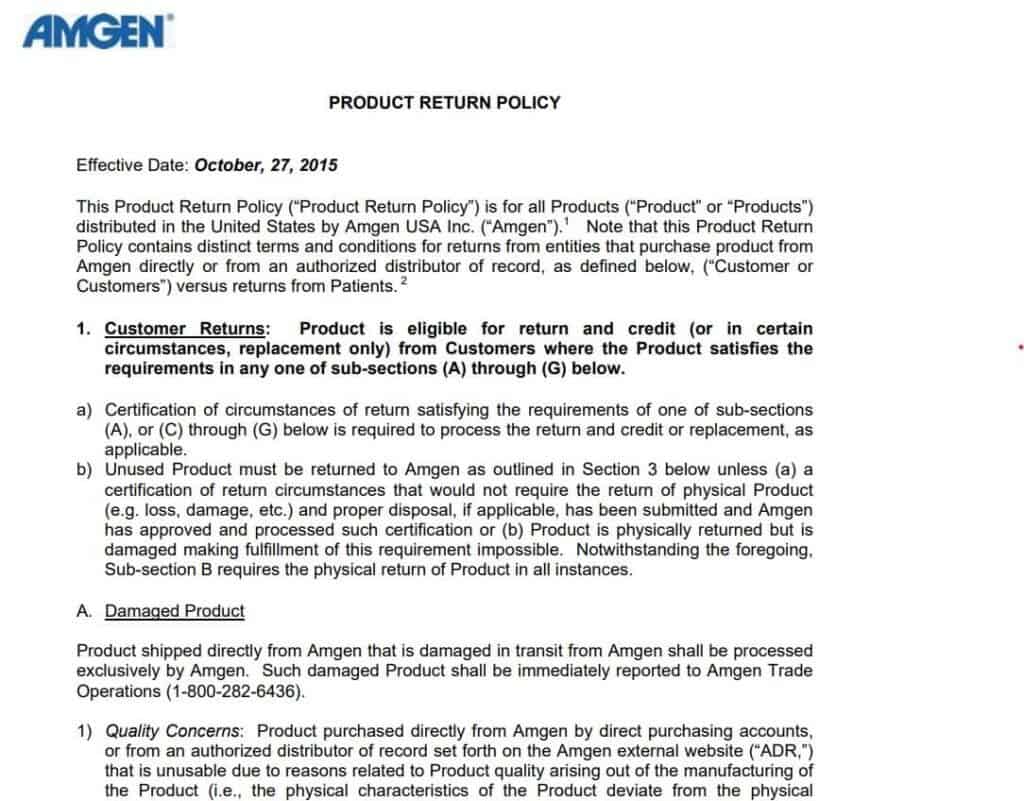
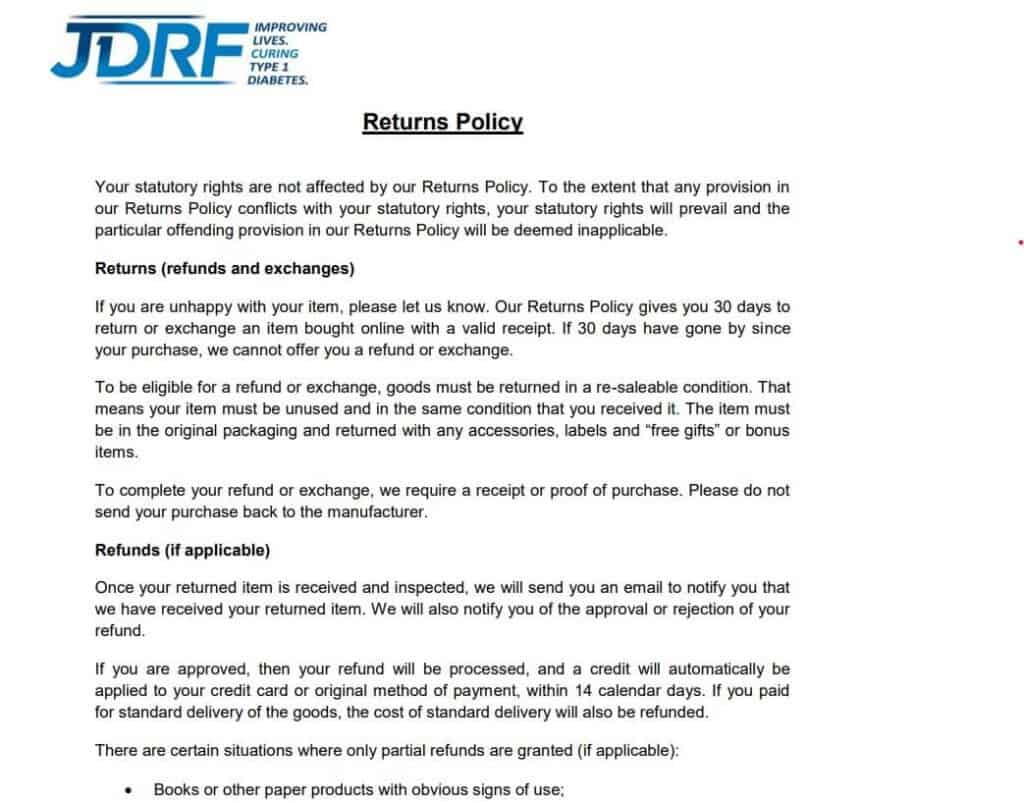
Sample Returns Policy Example
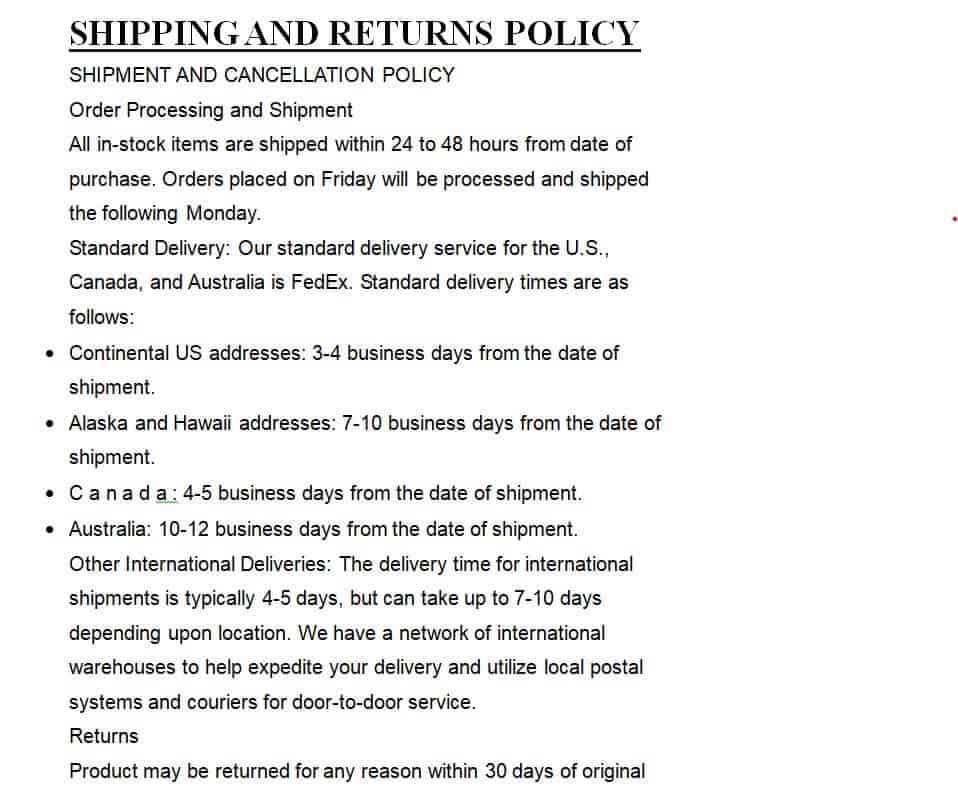
Shipping and Returns Policy Template (DOC Format)
Company’s Return Goods Policy Template (PDF)

How to Write a Return Policy Step by Step
- Review your products. Decide which items can be returned and which need special rules.
- Choose a return window. Pick a time frame that balances customer convenience with your business needs.
- Set item conditions. Define whether products must be unused, unopened, or in original packaging.
- Define the return process. Explain how to start a return, where to send items, and who pays shipping.
- Explain refund options. State whether you offer refunds, exchanges, or store credit and how long processing takes.
- Use simple language. Keep sentences short and friendly so every customer understands.
- Check local laws. Make sure your policy follows consumer protection rules where you sell.
- Publish it clearly. Place the policy on your website, at checkout, on receipts, and in store.
Tips for a Customer-Friendly Return Policy
- Be clear and specific about time limits and item conditions.
- Offer easy return options, such as prepaid labels or in-store returns, when possible.
- Process refunds quickly and communicate each step by email.
- Highlight exceptions, such as final-sale items, before customers buy.
- Review and update the policy regularly, especially before busy seasons.
Note: Consumer protection rules about returns and refunds differ by country and region. These templates are general examples and not legal advice. Have a qualified professional review your final policy.
Frequently Asked Questions (FAQs)
What should a return policy include?
A good policy includes the return window, eligible items, required condition, proof of purchase, return process, refund method, and rules for damaged or defective goods.
Are these return policy templates free?
Yes. All eight templates are free to download, edit, and print.
How long should my return window be?
Many businesses choose 14 to 30 days, but longer periods such as 60 or 90 days can attract more customers. Choose what fits your products and margins.
Do I have to offer refunds?
It depends on local laws and the type of product. Some regions require refunds for defective goods, while other returns may be handled through exchanges or store credit if your policy says so.
Who pays for return shipping?
That is up to your policy. Some stores cover return shipping, while others ask customers to pay unless the item was faulty or incorrect.
Where should I display my return policy?
Place it on a dedicated page of your website, link it in your footer and checkout page, and include a short version on receipts or packing slips.
Can I edit these templates in Word?
Yes. After downloading, open the Word files, replace the placeholder text with your own business details and terms, and save your final version.
Final Thoughts
A fair and clearly written return policy helps customers buy with confidence and protects your business. Choose the template that suits your store, customize it with your own terms, and make it easy for customers to find.

You must be logged in to post a comment.