Whether you are buying a used car, selling your own, or getting ready for a long road trip, a vehicle condition report gives you a clear, written picture of what shape the vehicle is really in. Using a ready-made vehicle condition report template makes the job faster and more thorough, because every important area is already listed for you to check.
Below are 8 free vehicle condition report templates. Each one is designed with the fields you need to note the details of a car, truck, van or other automobile. Pick one, print it or open it, and fill it in as you inspect the vehicle.
What Is a Vehicle Condition Report?
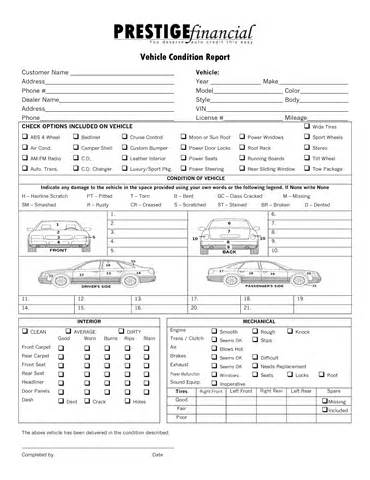
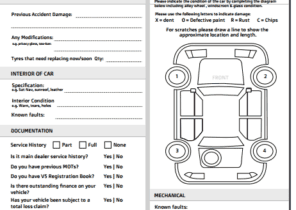
A vehicle condition report is a document that records the physical and mechanical condition of a vehicle at a specific moment in time. It typically notes the exterior, interior, tires, engine, brakes, lights, fluids and any existing damage such as scratches, dents or rust. Many forms include a diagram of the vehicle where you can mark damage locations.
The report can be prepared by the vehicle owner, an insurance company agent, a government representative or a mechanic. Each may use a slightly different format, but the goal is always the same: to create an honest, dated record of the vehicle’s condition.
Why You Need a Vehicle Condition Report
Knowing the condition of a vehicle helps in many situations:
- Buying a used car: A report helps you spot problems and estimate a fair price before you hand over any money.
- Selling a car: Sharing a detailed report shows buyers you are open and honest, which builds trust and can speed up the sale.
- Long trips: A pre-trip check tells you whether the vehicle is ready to travel, so repairs can be done ahead of time for a safe, stress-free journey.
- Rental and lease returns: Documenting the condition at pickup and return helps avoid disputes about damage.
- Insurance and claims: A recorded condition can support a claim or show what damage was already there.
- Fleet and business use: Companies use regular reports to schedule maintenance and track wear across many vehicles.
What to Include in a Vehicle Condition Report
A complete report usually covers the following:
- Vehicle details: make, model, year, color, VIN, license plate number and odometer reading.
- Owner or inspector name, date and location of inspection.
- Exterior condition: body panels, paint, glass, mirrors, lights and bumpers.
- Tires and wheels: tread depth, wear pattern and spare tire.
- Interior condition: seats, dashboard, controls, upholstery and odors.
- Under the hood: engine, belts, hoses, battery and fluid levels.
- Brakes, suspension, steering and exhaust.
- Safety equipment: seat belts, airbags and warning lights.
- A damage diagram to mark dents, scratches and cracks.
- Notes, recommended repairs and signatures of both parties.
8 Free Vehicle Condition Report Templates
Each template below has a preview and a button. The buttons open the source page for that template, where you can view or download it.
Vehicle Condition Report Template 1
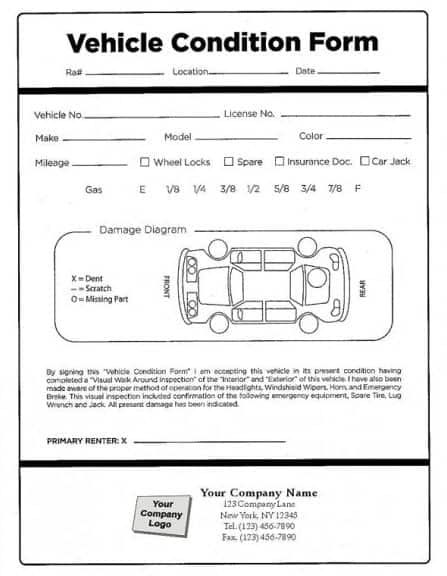

Vehicle Condition Report Template 2

Vehicle Condition Report Template 3
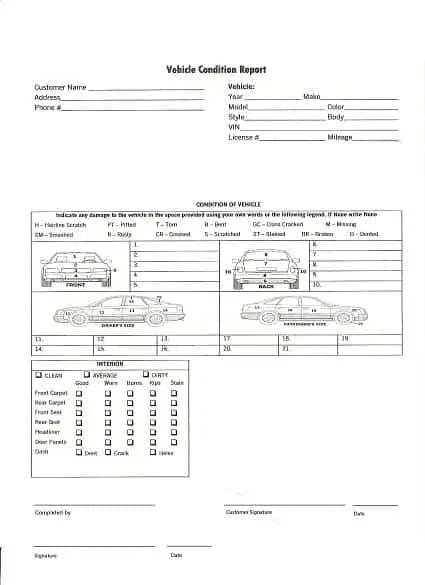
Vehicle Condition Report Template 4

Vehicle Condition Report Template 5
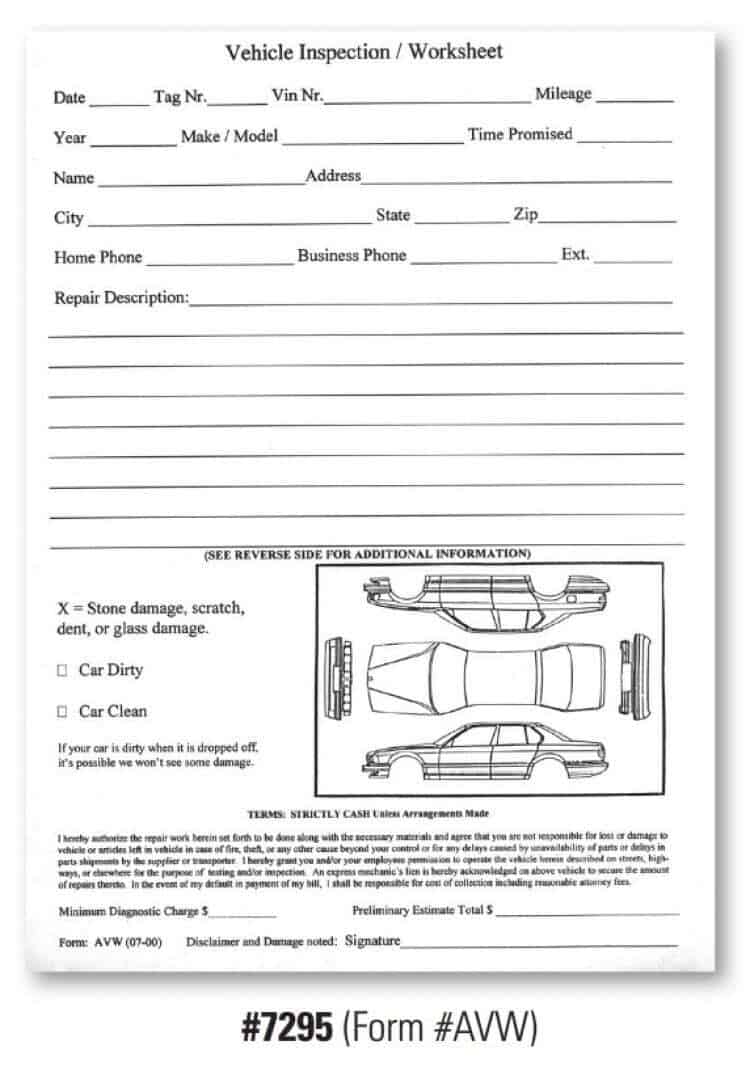
Vehicle Condition Report Template 6
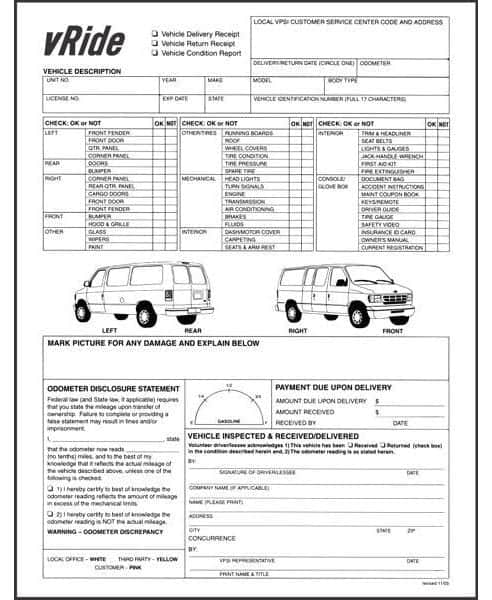
Vehicle Condition Report Template 7

Vehicle Condition Report Template 8
How to Fill Out a Vehicle Condition Report
- Choose a template that fits your purpose, such as a used-car purchase or a pre-trip check.
- Inspect the vehicle in good daylight on a level surface, and have the report and a pen or device ready.
- Enter the vehicle details: make, model, year, VIN, plate number and odometer reading.
- Walk around the exterior and mark every scratch, dent, chip or rust spot on the diagram.
- Check tires, lights, glass and mirrors, and note anything worn or damaged.
- Inspect the interior and test the controls, such as windows, locks, air conditioning and dashboard lights.
- Look under the hood for leaks, worn belts and low fluids, and note the battery condition.
- Take a short test drive if possible, and record how the brakes, steering and transmission feel.
- Add notes and repair recommendations, then have both parties sign and date the report.
- Take dated photos to support the report and keep a copy for your records.
Tips for a More Reliable Report
- Be honest and specific. Write “3-inch scratch on rear left door” instead of “minor damage.”
- Take clear photos of every damaged area and attach them to the report.
- If you are buying a used car, consider having an independent mechanic inspect it as well.
- Check the vehicle history report and confirm the VIN matches the paperwork.
- Complete the report before any money or keys change hands, so the record is accurate.
Frequently Asked Questions (FAQs)
What is a vehicle condition report?
It is a written record of a vehicle’s physical and mechanical condition on a certain date. It lists the state of the body, interior, tires, engine and other key parts, and often includes a diagram for marking damage.
Who can prepare a vehicle condition report?
Anyone can prepare one. Owners, buyers, sellers, mechanics, insurance agents and government representatives all use condition reports, each with their own formats and level of detail.
Are these vehicle condition report templates free?
Yes. The templates on this page are free to use. Each button opens the page where that specific template is available so you can view, print or download it.
Should I use a condition report when selling my car?
It is a good idea. A signed report that shows the car’s condition at the time of sale can protect you from later claims about damage or problems that were not there when the buyer took the vehicle.
What is the difference between a condition report and a vehicle history report?
A condition report describes how the vehicle looks and works right now. A vehicle history report describes its past, such as previous owners, accidents, title status and service records. Using both gives you the fullest picture.
Do I need photos with the report?
Photos are not always required, but they are strongly recommended. Dated photos of the exterior, interior, odometer and any damage make the report much more convincing.
How often should I inspect my vehicle?
For personal cars, a check before long trips and at every seasonal change is a good habit. Fleet vehicles are usually inspected daily or weekly, depending on company policy and local rules.
Final Thoughts
A vehicle condition report protects both buyers and sellers, helps you plan repairs and keeps a clear record for insurance or rentals. Choose one of these 8 free vehicle condition report templates, complete it carefully and keep a copy for your files.




You must be logged in to post a comment.