A clear roofing contract protects both the homeowner and the contractor before a single shingle is removed. This page offers free, editable roofing contract templates in Word and PDF formats for roof repairs, full replacements, residential jobs, and commercial projects. You will also find a plain-English guide to what a roofing contract should include, how to fill one out, which clauses matter most, and answers to common questions.
Please note that these templates are general samples and not legal advice. Laws and licensing rules vary by state and country, so consider having a local attorney review your final agreement, especially for large or high-value projects.
What Is a Roofing Contract?
A roofing contract is a written agreement between a property owner and a roofing contractor that describes the work to be done, the materials to be used, the price, the schedule, and the responsibilities of each side. It turns verbal promises into documented terms. If a disagreement arises about cost, quality, delays, or cleanup, the contract is the first document both sides will look at.
Whether you are hiring a large roofing company, a small local crew, or a subcontractor, a written agreement helps set expectations and reduces the risk of misunderstandings. For contractors, it also provides proof of the agreed scope and payment terms. For homeowners, it provides a record of what was promised and a basis for warranty claims.
Editable Roofing Contract Templates Are Here
Choose a sample below, click its download button, and edit the details to match your project. Files come in PDF, Word, and ZIP formats.




What to Include in a Roofing Contract
A strong roofing contract leaves little room for guesswork. Make sure your agreement covers these essentials:
- Parties and property. Full legal names, addresses, phone numbers, and the address of the roof being worked on.
- Contractor license and insurance. License number where required, plus proof of general liability and workers’ compensation coverage.
- Scope of work. Tear-off or overlay, repairs, flashing, vents, gutters, decking replacement, and cleanup.
- Materials. Shingle type, brand, color, underlayment, and quantities, so the finished roof matches what was promised.
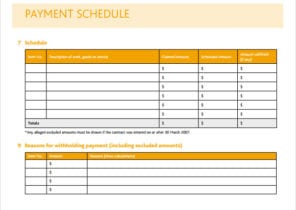
- Price and payment schedule. Total cost, deposit, progress payments, and final payment after inspection.
- Timeline. Start date, expected completion date, and how weather delays are handled.
- Change orders. A written process for extra work, such as rotted wood found after tear-off.
- Warranty. Workmanship warranty length and the manufacturer’s material warranty.
- Permits and inspections. Who obtains them and who pays.
- Cleanup and debris removal. Nail sweeps, dumpster placement, and protection of landscaping.
- Dispute resolution and termination. How problems are resolved and under what conditions either party can cancel.
- Signatures and dates. Both parties should sign and keep a copy.
How to Fill Out a Roofing Contract Template
Start by downloading the template that best fits your project, such as a residential repair, a full installation, or a subcontractor agreement. Open the file in Microsoft Word or a PDF editor and replace placeholder text with your real details. Be specific: instead of writing “replace shingles,” write “remove existing shingles down to the deck and install 30-year architectural asphalt shingles in charcoal gray.” Attach the estimate or proposal to the contract if it contains line-item pricing. Read every clause, cross out anything that does not apply, and have both parties initial changes. Finally, sign and date the document, and store a digital and paper copy.
Tips for Homeowners Before Signing
Get at least three written estimates and compare the scope, not just the price. Check the contractor’s license, insurance, and local reviews. Ask for references from recent jobs. Avoid paying the full amount upfront, and be cautious of anyone who pressures you to sign immediately after a storm. Confirm that the contract lists the exact materials and that the warranty terms are in writing. Take photos of your roof and property before the work starts, so any damage can be documented later.
Tips for Roofing Contractors
Use a consistent contract for every job so payment terms and change-order rules are always clear. Describe the scope in detail, note any pre-existing damage, and explain how hidden problems will be priced. Keep signed copies, photos of the job progress, and inspection records. A professional contract also builds trust with customers and can help you win more work.
Roofing Contract vs. Roofing Proposal or Estimate
An estimate is an approximate price. A proposal is a formal offer that describes the work and cost. A contract is the binding agreement created once both parties accept and sign. Many contractors send a proposal first and turn it into a contract after the homeowner approves it. The proposal template above can be used for that first step.
Roofing Contract Template FAQs
Is a roofing contract legally binding?
A properly written and signed roofing contract is generally enforceable, but requirements differ by location. Consult a local attorney for advice on your situation.
Can I edit these roofing contract templates in Word?
Several samples are available in Word or editable formats. PDF versions can be edited with a PDF editor or printed and filled out by hand.
What should a roofing contract include?
Include the parties, property address, scope of work, materials, price, payment schedule, timeline, warranty, permits, change-order process, cleanup terms, and signatures.
How much deposit is normal for a roofing job?
Deposits vary by contractor and by state regulation. Many jobs use a modest deposit with additional payments tied to progress. Check your local rules, since some places cap deposits.
Do I need a roofing contract for small repairs?
Yes, a short written agreement is still wise. It records the price and the work, even for a quick repair.
What is a roofing change order?
A change order is a written amendment that adds or alters work and its cost, for example replacing damaged decking discovered during tear-off. Both parties should sign it.
Who is responsible for permits?
The contract should state who applies for and pays for permits. In many cases the contractor handles this, but confirm it in writing.





You must be logged in to post a comment.