Looking for a C6 envelope template you can print at home or in the office? You are in the right place. This page collects eight free, printable C6 envelope templates, explains the exact C6 envelope size, and walks you through editing, printing, and folding an envelope yourself. Whether you need a greeting card envelope, a small business mailer, or a handmade cash envelope, a ready-made template saves time and money compared with buying pre-cut stock.
Below you will find the download gallery first, followed by practical guidance on paper choice, address placement, printer settings, and creative uses. A short FAQ section at the end answers the questions people ask most often about C6 envelopes.
What Is a C6 Envelope? Size and Dimensions
A C6 envelope is part of the international ISO 269 “C series” of envelope sizes, which runs from C0 (very large) to C10 (very small). A C6 envelope measures 114 x 162 mm, which is about 4.49 x 6.38 inches. It is designed to hold an A6 card or sheet (105 x 148 mm) flat, so it is one of the most popular choices for greeting cards, invitations, thank-you notes, and postcards.
Because the C series is built around the A series of paper sizes, the math is simple. An A5 sheet folded once fits a C6 envelope, and an A4 sheet folded twice (into quarters) fits too. That makes a C6 envelope handy for short letters, price lists, event tickets, and business documents that do not need a full-size mailing envelope. If you are in the United States, the closest common equivalent is the A6 or 4 3/8 x 5 3/4 inch card envelope, though the C6 is slightly larger and taller.
Download C6 Envelope Templates Now
Choose any design below and click the download button under it. Most files open in Microsoft Word, so you can add your own name, logo, and return address before printing.



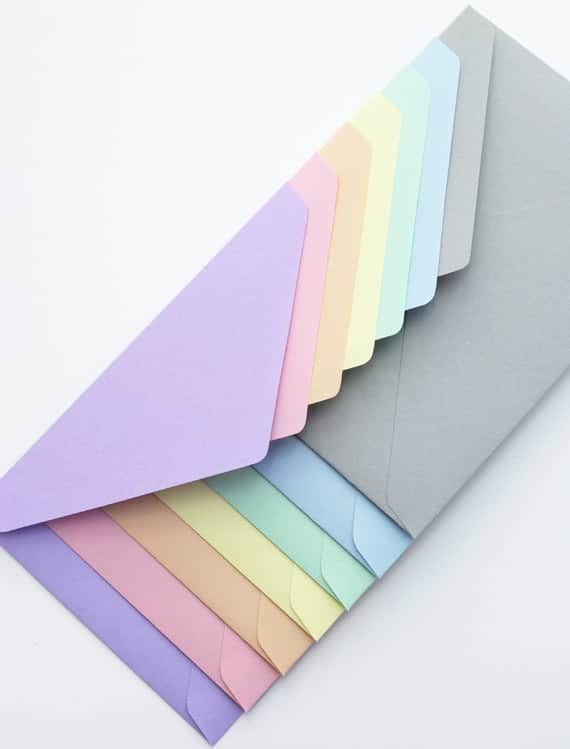
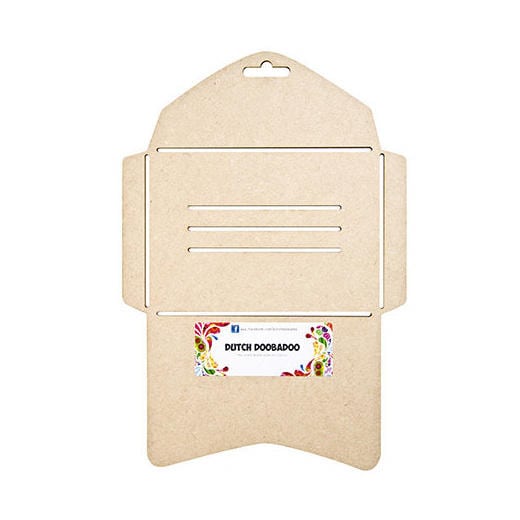
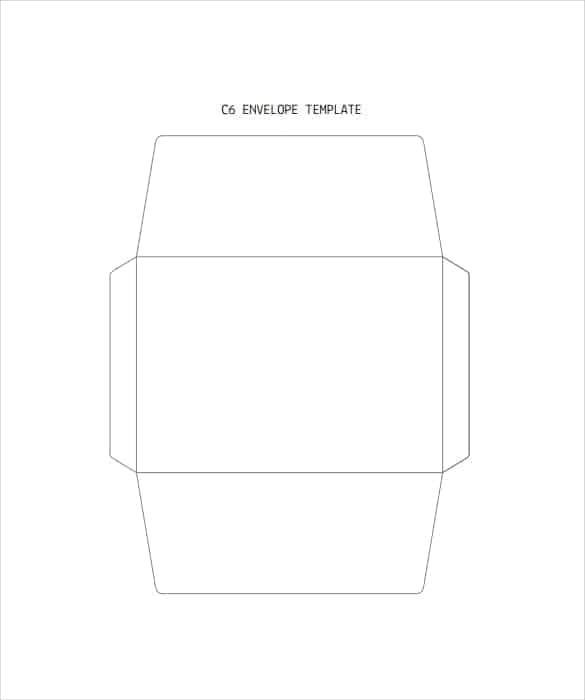
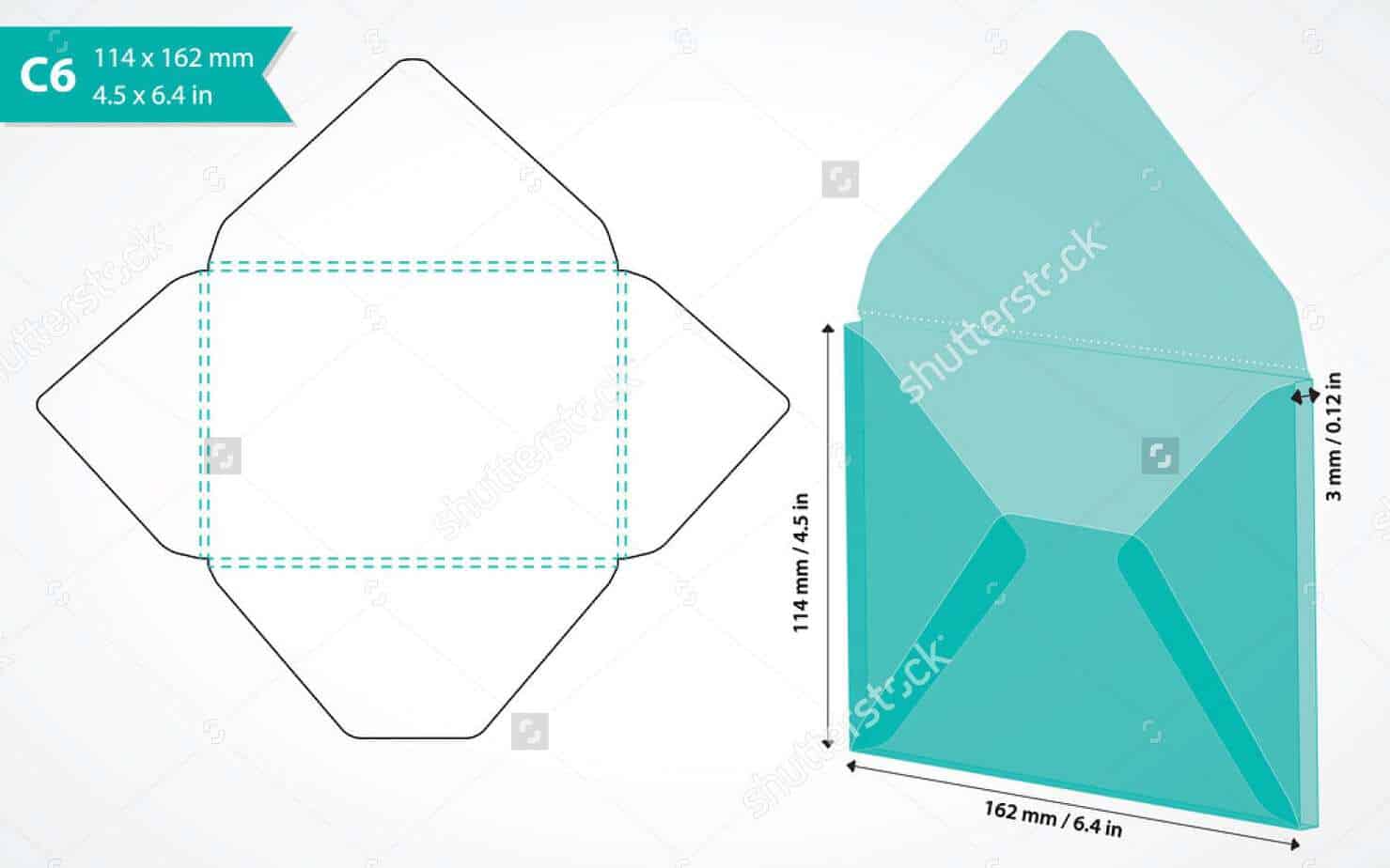

What Fits Inside a C6 Envelope?
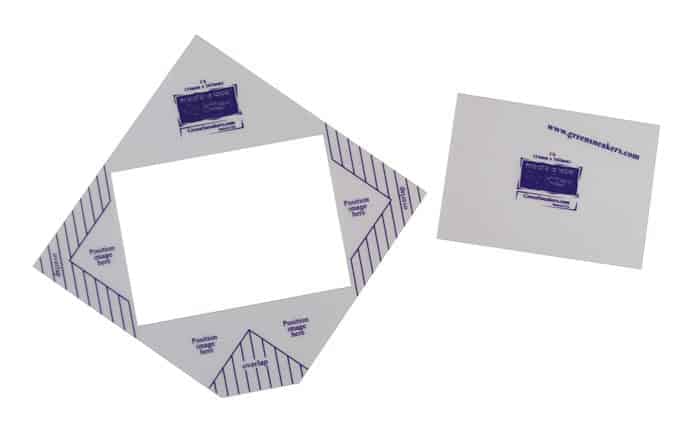
The C6 size is small enough to feel personal and large enough to be useful. Typical contents include A6 greeting cards, A6 postcards, folded A5 letters, A4 sheets folded into quarters, business cards, thank-you notes, small invoices, gift cards, and event tickets. If you plan to insert a thick card or add a small keepsake, choose a template with a slightly deeper body or a flap that folds with some slack, so the envelope closes cleanly without bulging.
How to Use a C6 Envelope Template in Word
Editing a C6 envelope template takes only a few minutes. Follow these steps for a clean result:
- Download your favorite template and open it in Microsoft Word. If it opens in Protected View, click Enable Editing.
- Check the page size under Layout > Size. If your printer uses US Letter or A4 paper, keep the template on that sheet and let the envelope shape sit inside it.
- Click the text boxes to add your return address, recipient details, logo, or a short message. Keep fonts simple, such as Arial, Calibri, or Times New Roman, for easy reading.
- Do a test print on plain paper. Hold the printout up to a light, fold along the lines, and confirm the C6 dimensions before printing on good stock.
- Print on your final paper, cut along the outer edge, score the fold lines with a ruler and a dull knife, and glue the side and bottom tabs.
Once you have finished one envelope, save the edited file under a new name. It becomes your own reusable C6 envelope template for future batches.
Paper and Printing Tips for Better Envelopes
Paper weight makes a big difference. For sturdy envelopes that survive the postal system, choose 80 to 120 gsm (about 20 to 32 lb) paper. Lighter paper is easier to fold and works well for gift envelopes or classroom projects, while heavier paper feels premium for wedding invitations and business mailings. Kraft paper gives a rustic look and takes stamps and ink well.
Set your printer to “Actual size” or “100 percent” so the template is not scaled down. If the printer allows it, turn on the highest quality mode for sharper lines and text. Use a paper trimmer or a craft knife with a metal ruler for straight cuts, and use double-sided tape or a glue stick for tabs. For frequent use, print the outline of one envelope on cardstock, cut it out, and keep it as a tracing pattern.
Where to Put the Address on a C6 Envelope
Place the recipient address in the lower right half of the front, roughly centered vertically, with each line left-aligned. Keep the return address in the top left corner, and leave the top right corner clear for the stamp. Use dark ink on a light background, and avoid decorative fonts for the address block, because postal scanners read plain, high-contrast text most reliably. Always check your local postal service rules for minimum margins before mailing a large batch.
Creative Ways to Use C6 Envelopes
A C6 envelope template is more flexible than it looks. Small businesses use custom C6 envelopes for coupons, thank-you cards, and appointment reminders. Families make greeting card envelopes for birthdays, holidays, and weddings. Teachers create classroom envelopes for permission slips and reward cards. Budgeters use the cash envelope method, filling labeled envelopes with spending money for groceries, fuel, and entertainment. Crafters build gift card holders, seed packets, and scrapbook pockets. Because you control the design, you can match colors, patterns, and branding exactly.
Why Print Your Own C6 Envelopes?
Buying envelopes in small quantities can be expensive, and stores do not always stock the exact color or finish you want. Printing your own gives you full control over paper, size, and design, and lets you produce just the number you need. It also reduces waste, because you can make one envelope to match a special card instead of buying a box of fifty. With a reusable template, every future project takes less time.
C6 Envelope Template FAQs
What is the size of a C6 envelope?
A C6 envelope is 114 x 162 mm, or about 4.49 x 6.38 inches. It fits an A6 card or sheet flat.
What size paper fits in a C6 envelope?
An A6 card (105 x 148 mm) fits flat. An A5 sheet folded once and an A4 sheet folded twice also fit comfortably.
Can I edit a C6 envelope template in Microsoft Word?
Yes. Most templates on this page open in Word, so you can change text, add a logo, and adjust fonts before printing. Some PDF templates are print-ready and cannot be edited directly.
Are these C6 envelope templates free?
The templates are offered for free download for personal and small business use. Some buttons lead to the original source sites, so review each source’s terms if you plan to reuse the design commercially.
What paper is best for printing C6 envelopes?
Use 80 to 120 gsm paper for a balance of strength and easy folding. Kraft paper and light cardstock also work well.
Is a C6 envelope the same as an A6 envelope?
No. C6 is an ISO size (114 x 162 mm), while A6 envelopes in the US are usually 4.75 x 6.5 inches. They are close, so check your card size before choosing.
Can I mail a homemade C6 envelope?
Usually yes, as long as it meets your postal service’s size, thickness, and address placement rules. Use sturdy paper, secure the flap well, and leave clear space for the address and stamp.