A credit policy is an official document that explains how a company deals with customers who want to buy on credit. It sets the rules for who can receive credit, how much they can borrow, when payment is due, and what happens if a customer pays late. A clear credit policy protects your cash flow, reduces the risk of unpaid invoices, and keeps every customer relationship fair and consistent. If your business does not have one yet, the free credit policy templates below give you an easy place to start.
Whether you run a small shop, a wholesale company, a bank, or a university, the right template can save hours of drafting time. In this guide you will find ten sample credit policies to preview and download, an explanation of what a credit policy contains, step-by-step advice for writing your own, and answers to common questions.
What Is a Credit Policy?
A credit policy is a written set of guidelines that a business follows when it offers goods or services on credit. It usually covers the criteria customers must meet to qualify, the credit limits and payment terms offered, the process for checking creditworthiness, and the steps taken to collect overdue balances. Having these rules on paper means everyone in the company handles credit decisions the same way.
A good policy is also friendly to customers. When buyers can quickly see the terms and conditions, they understand what to expect, which builds trust and encourages repeat business.
Why Every Business Needs a Credit Policy
- Improves cash flow: clear payment terms help you collect money on time and plan your finances with confidence.
- Reduces bad debt: checking customers before extending credit lowers the chance of non-payment.
- Creates consistency: employees follow the same rules for every customer, avoiding favoritism and confusion.
- Speeds up collections: a defined process for reminders and follow-ups makes overdue accounts easier to manage.
- Builds customer trust: transparent terms show that your business is professional and fair.
- Supports growth: a structured approach to credit lets you safely offer terms that attract larger customers.
Key Sections of a Credit Policy
Most credit policy documents include the following sections. Use them as a checklist when you review the templates below.
Purpose and Scope
State why the policy exists and which customers, departments, or products it applies to.
Credit Application and Approval
Explain how customers apply, what information they must provide, and who approves or rejects requests.
Credit Checks and Limits
Describe how you evaluate creditworthiness, using trade references, bank references, or credit reports, and how credit limits are set and reviewed.
Payment Terms
Define standard terms such as Net 15, Net 30, or Net 60, and mention any early-payment discounts.
Late Payments and Collections
List late fees, reminder schedules, escalation steps, and when accounts may be placed on hold or sent to collections.
Review and Updates
Say how often the policy will be reviewed so it stays accurate as your business changes.
Free Credit Policy Templates
Preview each sample below and use the Download button to get the template file.
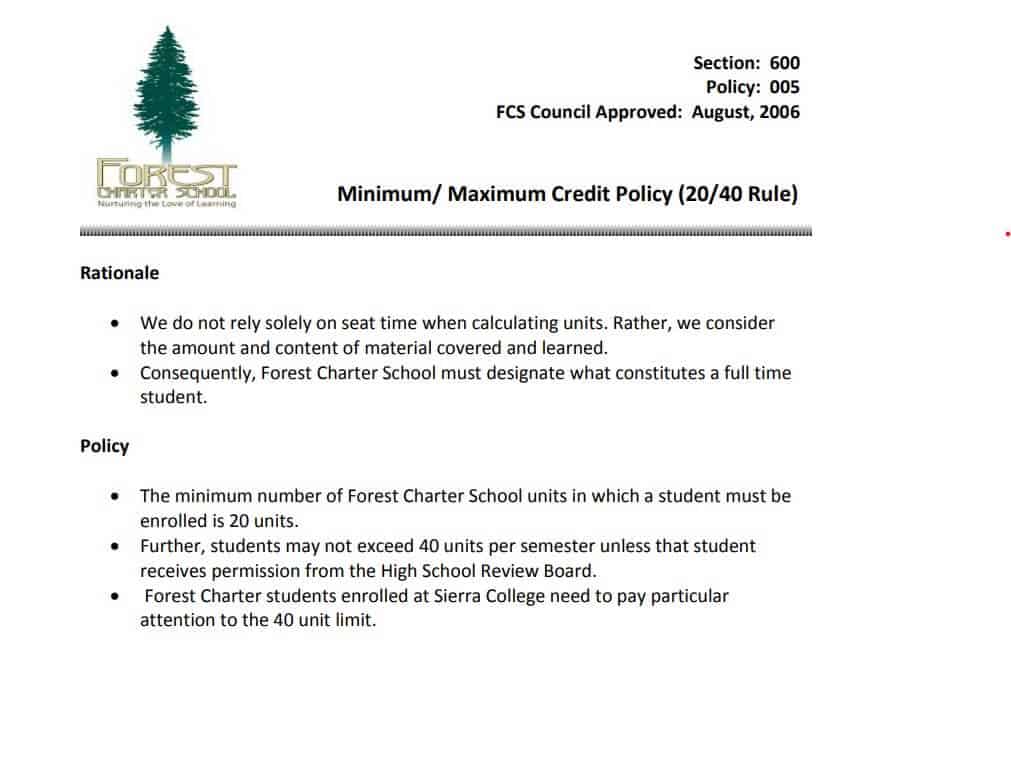
University’s Credit Policy & Procedure Template

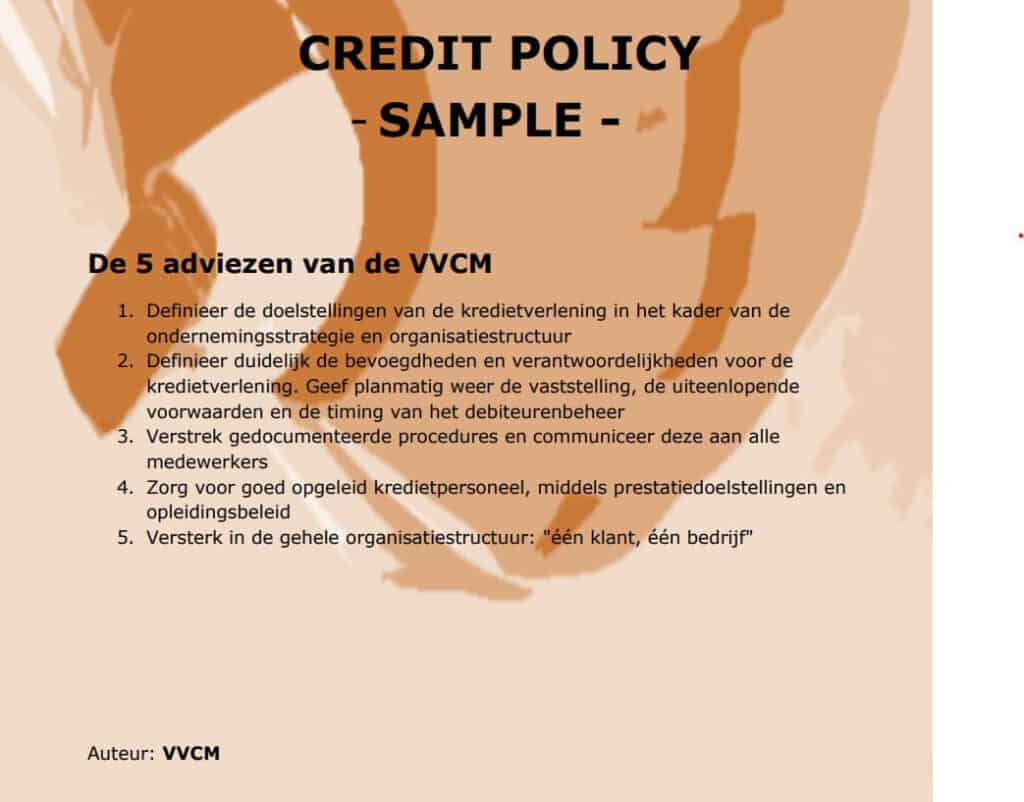
Official Credit Policy Sample
Investment Bank’s Credit Policy Template
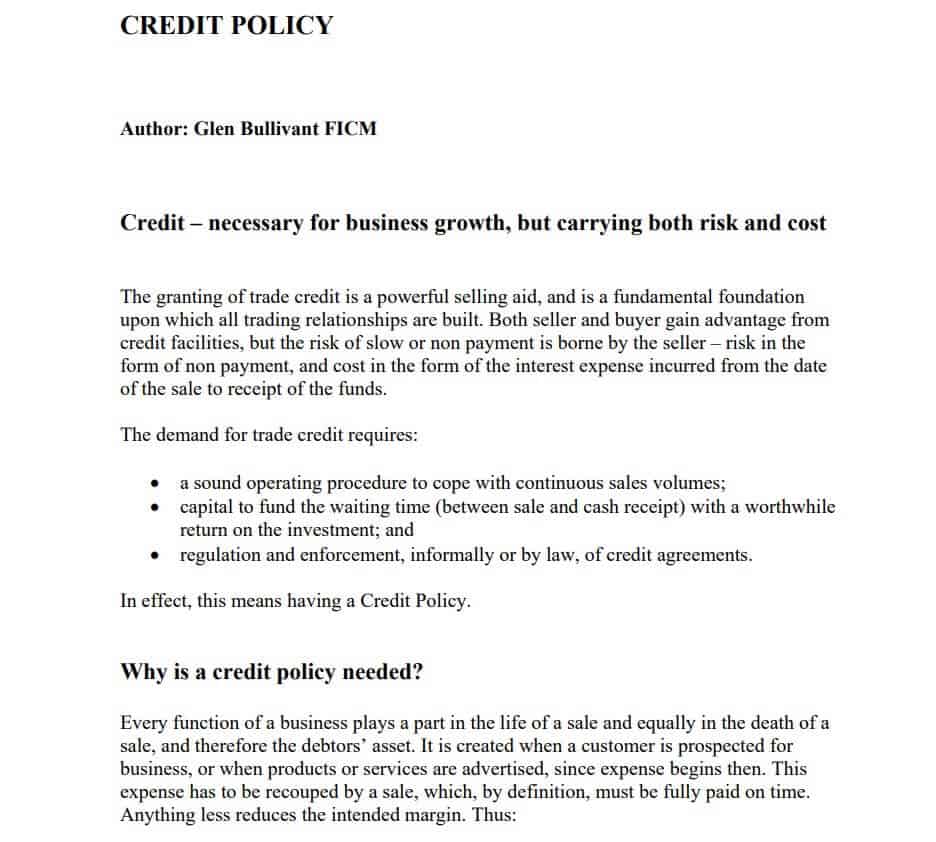
Detailed Credit Policy PDF Template
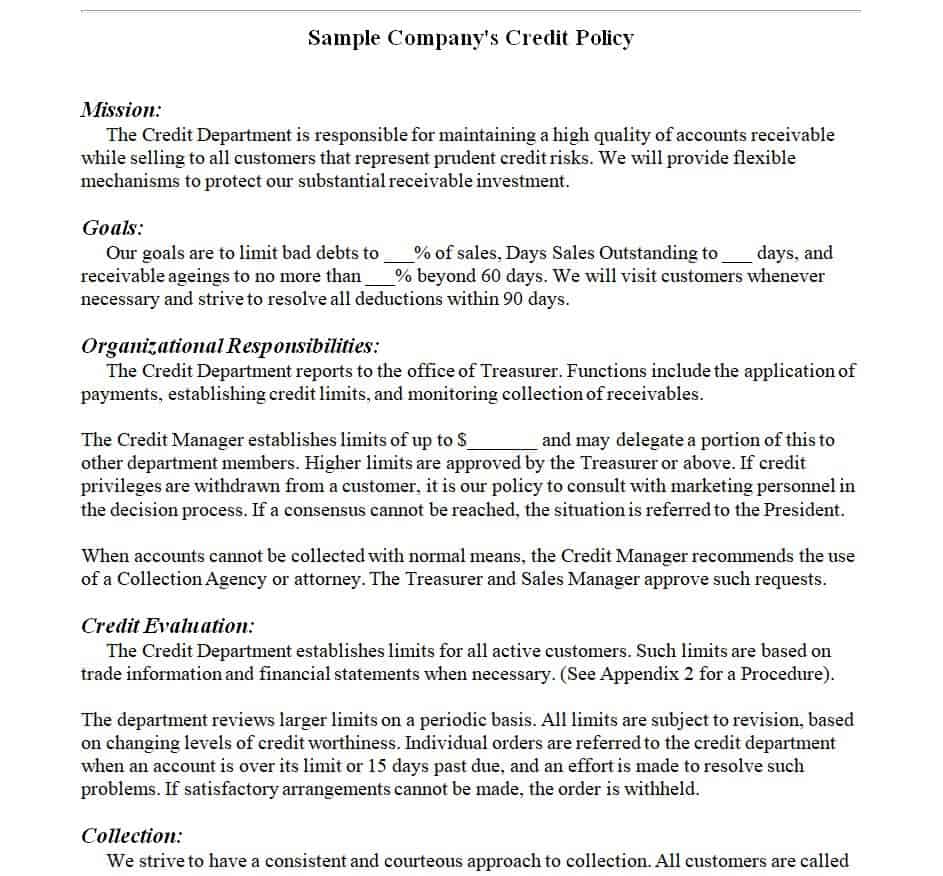
Sample Company’s Credit Policy Template in MS Word
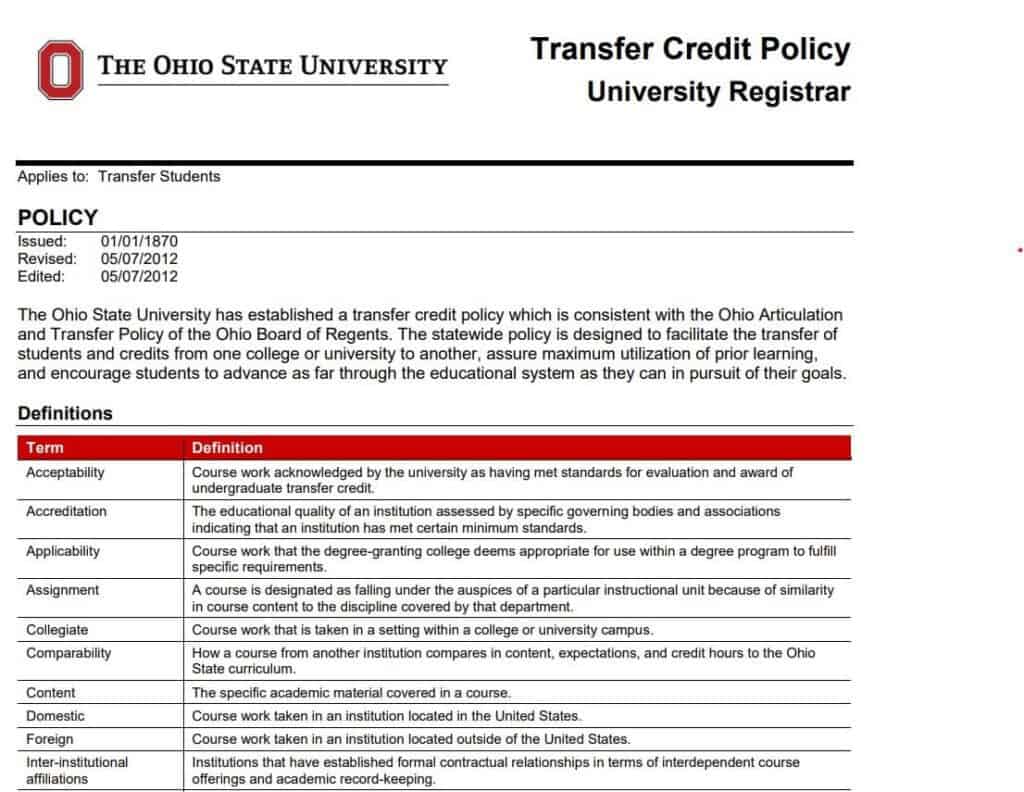
State University’s Transfer Credit Policy
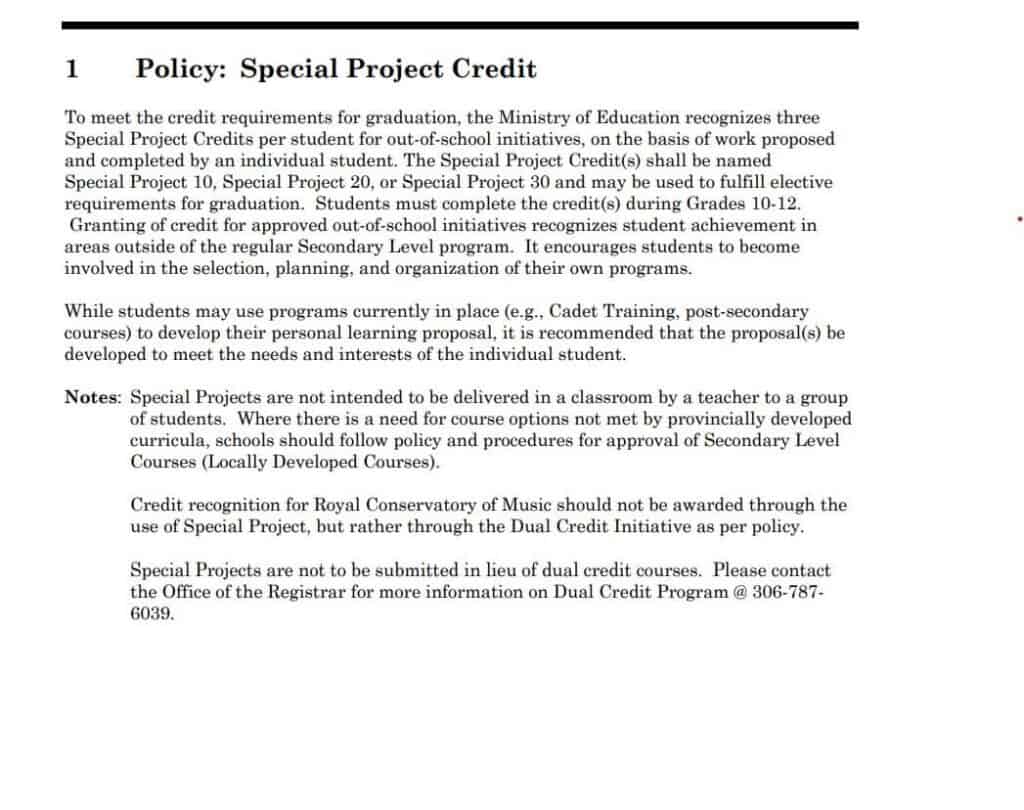
Special Project Credit Policy Template
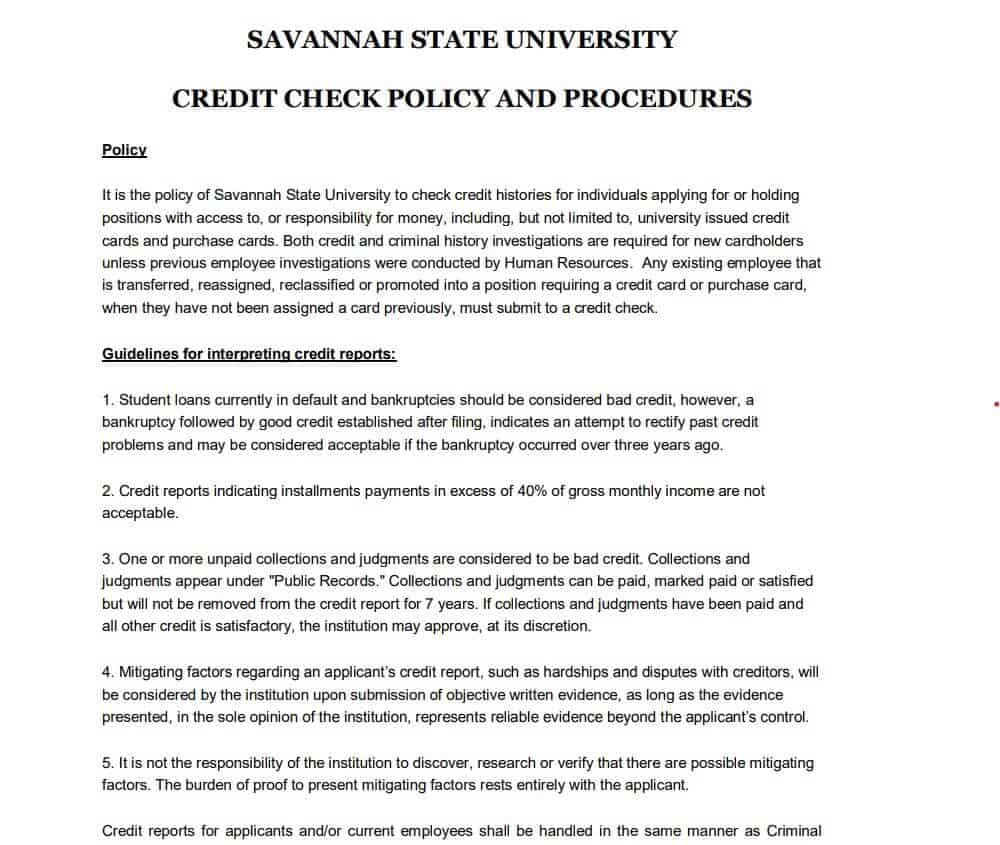
Educational Institute’s Credit Check Policy and Procedures
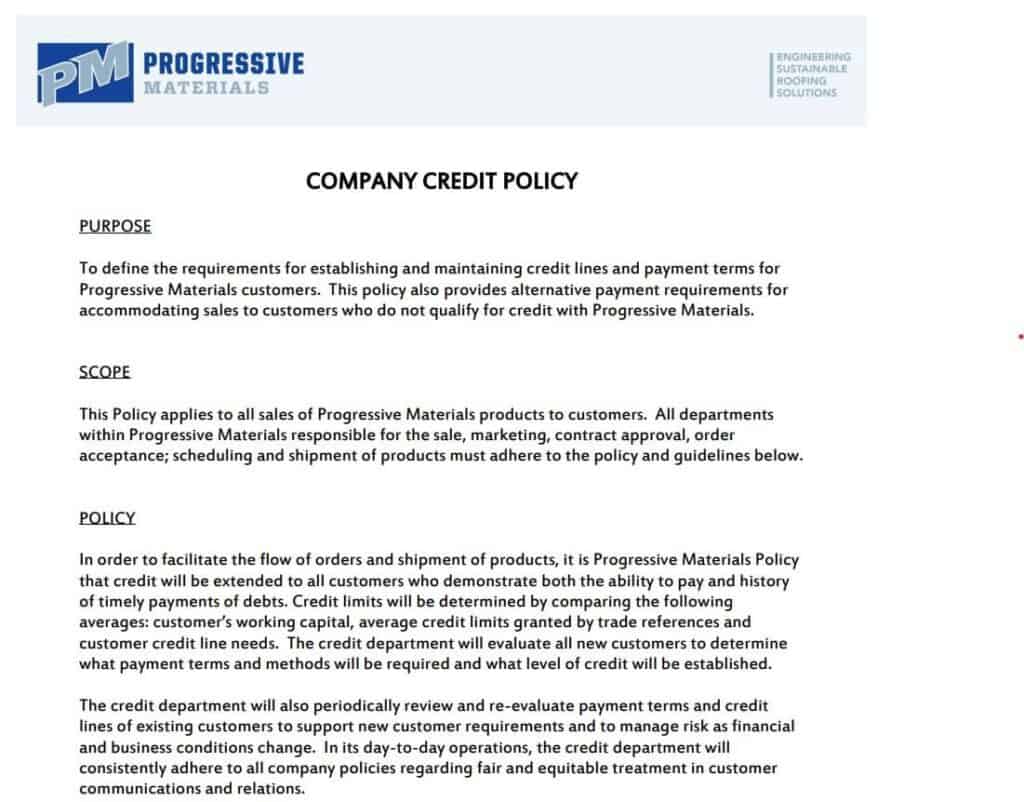
Company’s Official Credit Policy Template
Standard Credit Policy Template (Printable)
How to Write a Credit Policy Step by Step
- Define your goals. Decide whether you want to boost sales, protect cash flow, or both.
- Choose a template. Pick the sample closest to your industry, such as business, banking, or education.
- Set eligibility rules. List the documents and references customers must provide to qualify.
- Determine credit limits and terms. Base them on customer risk, order size, and your own cash needs.
- Outline collection steps. Write down reminder dates, late fees, and escalation actions.
- Review with your team. Ask sales, finance, and management to confirm that the policy is practical.
- Share and apply it. Give customers a copy and train staff to follow it consistently.
- Review regularly. Update the policy at least once a year or when your business changes.
Tips for a Strong Credit Policy
- Keep the language simple so customers can understand it easily.
- Be firm on due dates but polite in tone.
- Check new customers before granting credit, and review existing accounts periodically.
- Keep records of all approvals, invoices, and communications.
- Customize any template to match your local laws and industry practices.
Note: These templates are general examples and not legal or financial advice. Have a qualified professional review your final policy, especially regarding late fees and collections rules in your area.
Frequently Asked Questions (FAQs)
What is a credit policy in simple words?
A credit policy is a written set of rules that explains how and when a business lets customers buy now and pay later, including limits, due dates, and consequences for late payment.
What should a credit policy include?
A complete policy includes its purpose, the application and approval process, credit checks, credit limits, payment terms, late fees, collection procedures, and a review schedule.
Do small businesses need a credit policy?
Yes. Even small businesses benefit from clear credit terms because unpaid invoices can quickly hurt cash flow. A simple one-page policy is often enough to start.
What are common payment terms in a credit policy?
Net 15, Net 30, and Net 60 are the most common. They mean the full invoice amount is due within 15, 30, or 60 days of the invoice date.
Can I edit these credit policy templates?
Yes. After downloading, you can open the files and edit the wording, terms, logo, and details so the policy fits your organization.
How often should I update my credit policy?
Review it at least once a year, and update it sooner if your customers, payment terms, laws, or business model change.
What is the difference between a credit policy and a credit application?
A credit policy sets the company’s overall rules, while a credit application is the form an individual customer fills out to request credit under those rules.
Final Thoughts
A well-written credit policy protects your business and treats customers fairly. Choose the template that fits your needs, adapt it to your situation, and put clear credit rules in place so you can sell confidently and get paid on time.





You must be logged in to post a comment.