Being named salutatorian is a big honor, and the salutatorian speech that comes with it is your moment to welcome the audience, thank the people who helped you, and set the tone for graduation day. If you are staring at a blank page, the salutatorian speech examples on this page will help you get started. You can view, download, and adapt sample speeches in Word, PDF, and image formats, and then follow our step-by-step guide to write a speech that sounds like you.
Below you will find downloadable samples, a simple structure you can follow, tips for timing and delivery, original sample opening lines, common mistakes to avoid, and answers to frequently asked questions.
What Is a Salutatorian Speech?
A salutatorian is the graduate with the second-highest academic ranking in the class. At the graduation ceremony, the salutatorian traditionally gives the opening address. The word comes from “salutation,” meaning greeting, and that is the job of the speech: to greet the graduates, families, teachers, administrators, and guests, and to open the ceremony on a warm and confident note.
Many people confuse the salutatorian speech with the valedictorian speech. The valedictorian, who ranks first, usually gives the closing farewell address, often more reflective and focused on the future. The salutatorian speech tends to be shorter, more welcoming, and centered on gratitude, shared memories, and encouragement. Some schools reverse the roles or use their own traditions, so always confirm your school’s expectations with your principal or ceremony coordinator.
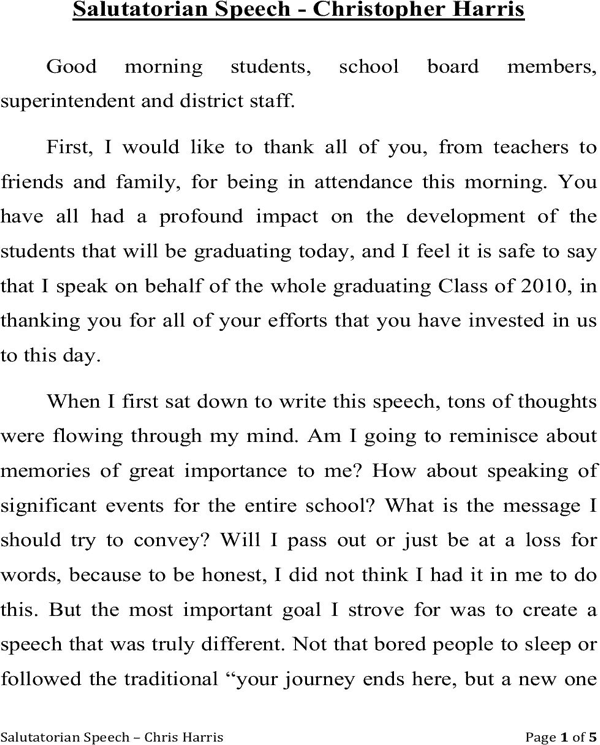
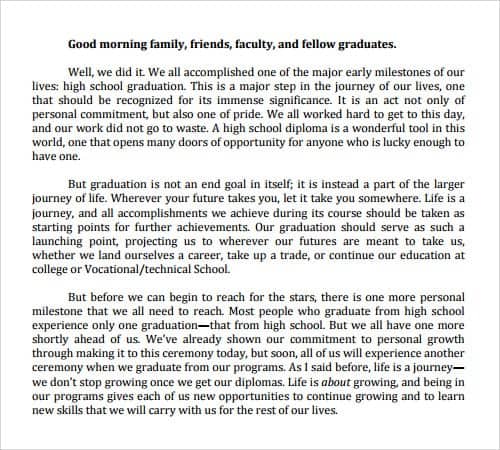
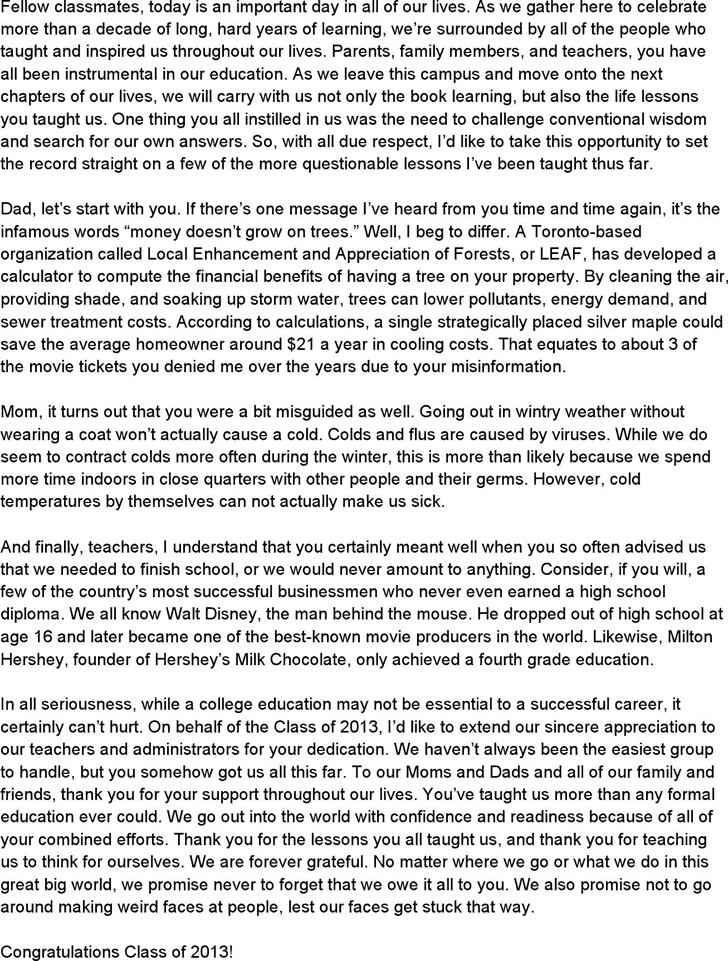
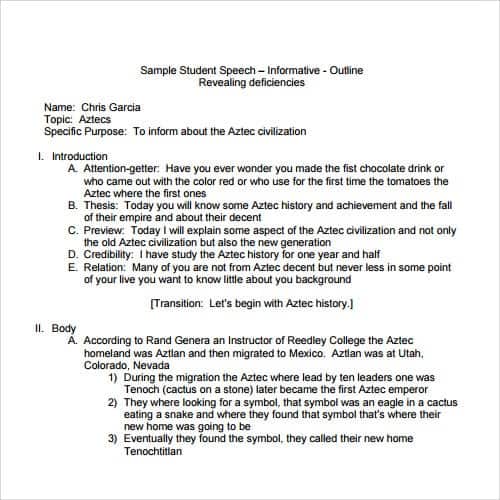
Get Salutatorian Speech Examples Below
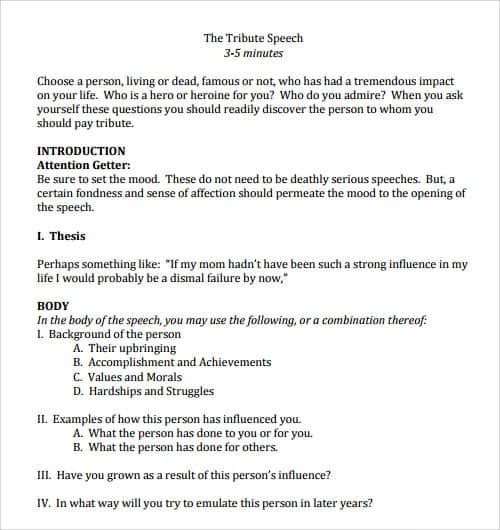
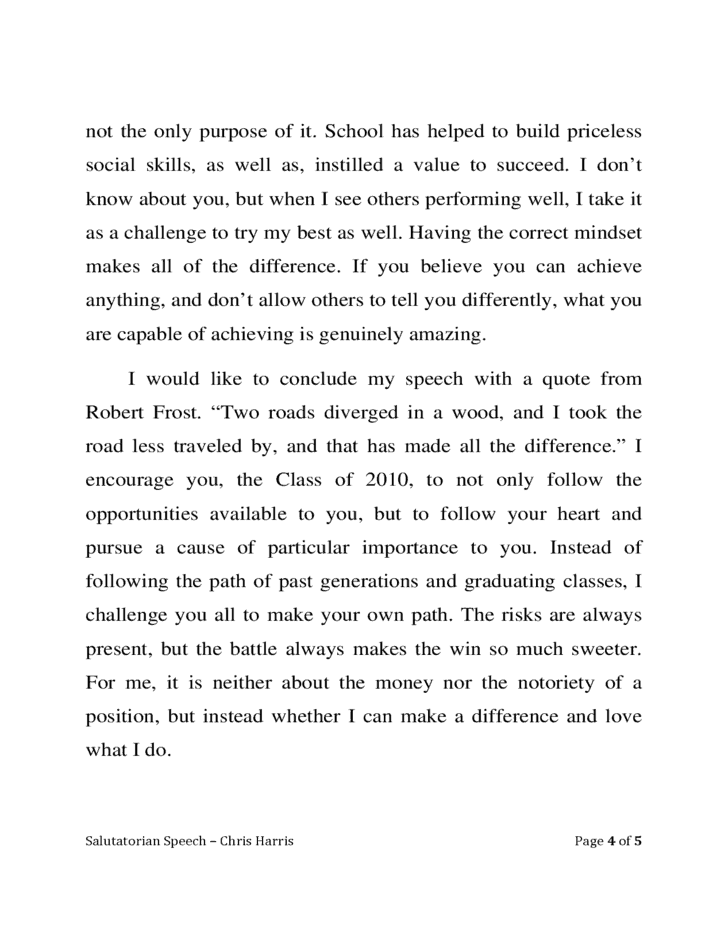
Browse the samples, then click the download button under each one. Use them for structure and inspiration, and rewrite the wording in your own voice so the final speech feels personal.


More Salutatorian Speech Example Images


How to Write a Salutatorian Speech Step by Step
- Confirm the details. Ask your school how long the speech should be, whether the text needs approval, and who will speak before and after you.
- Brainstorm. Write down memories, lessons, teachers who shaped you, and moments that made your class unique.
- Pick one theme. A single idea such as perseverance, community, curiosity, or new beginnings keeps the speech focused.
- Outline the speech. Use the structure below so the ideas flow naturally.
- Draft, then trim. Write freely, then cut anything that does not support your theme.
- Read it aloud. Speeches are heard, not read, so short sentences and natural rhythm matter.
- Rehearse. Practice in front of family or friends, and time yourself.
A Simple Salutatorian Speech Structure
Greeting and welcome. Address the principal, teachers, families, guests, and your classmates by name or title. Opening hook. Start with a short story, a question, or a light joke. Gratitude. Thank parents, teachers, coaches, and friends who supported the class. Shared memories. Mention two or three moments your classmates will recognize, such as a big game, a project, or a challenge you faced together. Main message. Share your theme and one clear lesson. Encouragement. Send the graduates off with confidence and hope. Closing line. End with a memorable sentence and a sincere thank-you.
How Long Should a Salutatorian Speech Be?
Most salutatorian speeches run between two and five minutes. At a comfortable speaking pace of about 130 words per minute, that is roughly 260 to 650 words. Shorter is often better, since the audience is waiting to see the graduates cross the stage. If your school gives you a time limit, write to about 90 percent of it so you have room for applause and pauses.
Original Sample Opening Lines
Use these as inspiration, not as a script:
- “Good evening, families, faculty, and the class of this year. Four years ago, most of us could not find the cafeteria. Tonight, we are finding our futures.”
- “Being second is not a failure. It is proof that someone pushed me to work harder, and that someone is sitting in this row.”
- “Welcome, everyone. I promise to be brief, because I know the real star of today is the diploma waiting on that stage.”
Delivery Tips for Speaking With Confidence
Stand tall, breathe slowly, and pause after important lines. Look at different parts of the audience instead of staring at your paper. Speak a little slower than normal, since nerves make most people rush. Keep note cards numbered in case they get shuffled. If you make a mistake, keep going; the audience is on your side. Bring water, wear comfortable shoes, and test the microphone before the ceremony begins.
Common Salutatorian Speech Mistakes to Avoid
Avoid copying a sample word for word, since teachers and classmates may recognize it. Do not use inside jokes that only a few people understand, and skip anything that could embarrass a classmate or teacher. Do not start with a dictionary definition or a famous quote used in every graduation speech. Avoid running long, and do not forget to thank the people who helped you. Finally, do not try to sound like someone else; sincere and simple beats fancy and forced.
Salutatorian Speech FAQs
What does a salutatorian speech include?
It usually includes a greeting, thanks to parents and teachers, a few shared memories, one main message, encouragement for classmates, and a short closing line.
How is a salutatorian speech different from a valedictorian speech?
The salutatorian ranks second and often opens the ceremony with a welcome, while the valedictorian ranks first and often gives the closing farewell. Traditions differ by school.
How long should a salutatorian speech be?
Aim for two to five minutes, or about 260 to 650 words, unless your school sets a different limit.
Can I use humor in my salutatorian speech?
Yes, light and kind humor works well, especially in the opening. Keep jokes inclusive and school-appropriate.
Can I copy a salutatorian speech example?
Use examples for structure and ideas, but write your own words and stories. An original speech is more memorable and avoids plagiarism problems.
How do I start a salutatorian speech?
Begin with a warm greeting and a short hook, such as a quick story, a friendly joke, or a question the graduates can relate to.
How do I stop being nervous before giving my speech?
Rehearse several times, practice deep breathing, and focus on your message rather than the crowd. Speaking slowly also calms nerves.