A weekly budget planner helps you see exactly where your money goes, seven days at a time. Instead of waiting until the end of the month to discover you overspent, you can adjust week by week and stay on track toward your savings goals.
This page shares 7 free weekly budget planner templates for personal, family, or small business use. You will also find guidance on what to include, how to fill one out, and tips to make weekly budgeting a habit.
What Is a Weekly Budget Planner?
A weekly budget planner is a simple worksheet that lists the money you expect to earn and the money you plan to spend over one week. It usually breaks expenses into categories such as groceries, transport, bills, and entertainment, then compares your plan with what you actually spent. Because the time frame is short, you get quick feedback and can correct course early.
Benefits of a Weekly Budget
- Better awareness: You see spending patterns before they become problems.
- Less overspending: A weekly limit keeps small purchases in check.
- Matches your paycheck: Ideal if you are paid weekly or every two weeks.
- Easy to adjust: You can rebalance categories each week.
- Debt and savings progress: Small weekly amounts add up over time.
What to Include in a Weekly Budget Planner
- Week start and end dates
- Expected income (wages, side income, benefits)
- Fixed expenses such as rent, insurance, and loan payments
- Variable expenses such as food, gas, and entertainment
- Savings and debt payments
- Planned vs. actual amounts
- Notes and a running balance
Note: These templates are general tools for personal organization and are not financial advice.
Free Weekly Budget Planner Templates
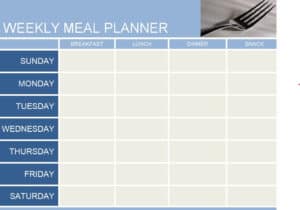
The download buttons below open the sources of each template on the original provider’s site, so you can pick the file format you prefer.
Weekly Budget Planner 1 (Excel)


Weekly Budget Planner 2 (PDF)

Weekly Budget Planner 3

Weekly Budget Planner 4

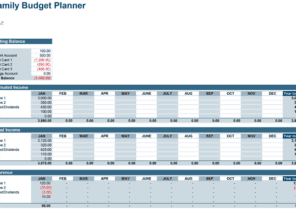
Family Weekly Budget Planner

Weekly Budget Planner 6 (Excel)

Weekly Budget Spreadsheet

How to Use a Weekly Budget Planner
- List your income. Enter all money you expect to receive this week.
- Add fixed bills. Include rent, utilities, insurance, and subscriptions that come due.
- Set category limits. Assign amounts for groceries, gas, dining out, and other spending.
- Plan savings. Treat savings like a bill and pay yourself first.
- Track daily. Record each purchase as it happens or at the end of the day.
- Review at week end. Compare planned and actual amounts, then carry lessons into next week.
Tips for Sticking to a Weekly Budget
- Pick one day each week for a ten-minute budget check.
- Keep an allowance for small treats so you are not tempted to quit.
- Use cash envelopes or a separate account for variable spending.
- Roll unused money into savings or debt repayment.
- Start simple and add categories only when you need them.
Frequently Asked Questions (FAQs)
What is a weekly budget planner?
It is a worksheet for planning and tracking income and spending across one week.
Is a weekly budget better than a monthly budget?
It depends on your income. Weekly budgets work well if you are paid weekly or struggle with overspending, while monthly budgets suit stable, predictable bills. Many people use both.
Are these budget templates free?
Yes, the templates listed here are free. Some open on the original provider’s site, where you can download them.
Can I use these in Excel or Google Sheets?
Excel-based templates can be opened in Excel or imported into Google Sheets. PDF versions are meant for printing.
How much should I budget for groceries each week?
That varies by household size and location. Look at a few weeks of past receipts to set a realistic starting figure.
What if I go over budget?
Note the reason, then reduce another category the following week. Small, quick adjustments are the point of weekly budgeting.
Can a business use a weekly budget planner?
Yes. Small businesses and freelancers can use the same layout to track weekly income, supplies, and operating expenses.
Final Thoughts
A weekly budget planner turns money goals into small, achievable steps. Choose a template above, fill it in this week, and build a habit that puts you in control of your spending.

You must be logged in to post a comment.