Every good story follows a structure, and a plot diagram is the easiest way to see it. A plot diagram maps out the main events of a story, from the opening setup to the final resolution, so readers can understand how the narrative builds and where the biggest turning points happen. Teachers use plot diagrams to help students analyze books, and writers use them to plan their own stories.
This page offers 12 free plot diagram templates you can download and edit in Microsoft Word. Below the gallery, you will find an explanation of each part of a plot diagram, step-by-step instructions for filling one out, ideas for classroom use, and answers to common questions.
What Is a Plot Diagram?
A plot diagram is a visual organizer that shows the structure of a story. It is usually drawn as a triangle or a mountain shape, with the action rising to a peak and then falling toward the ending. Each section of the diagram represents a stage in the narrative, and students or writers fill in the events that happen at each stage.
Because it works like a storyboard, a plot diagram is useful for reading comprehension, book reports, creative writing, and even video or film planning. Some templates include boxes for drawing key scenes, while others focus on short written summaries.
The Five Parts of a Plot Diagram
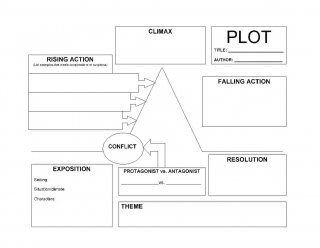
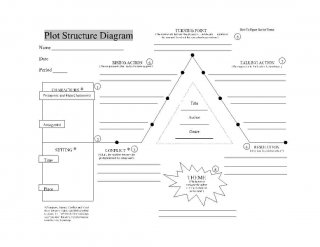
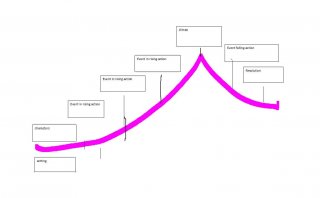
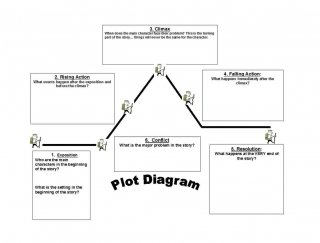
- Exposition: The beginning of the story, where the setting, main characters, and background are introduced.
- Rising action: A series of events and conflicts that build tension and move the story toward its peak.
- Climax: The turning point and most intense moment, where the main conflict comes to a head.
- Falling action: The events that follow the climax as tension eases and the outcome becomes clear.
- Resolution: The conclusion, where conflicts are resolved and loose ends are tied up.
Benefits of Using a Plot Diagram Template
- Improves comprehension: Students can see how a story is built and remember the key events.
- Saves time: The layout is ready, so you can focus on the story details.
- Great for planning: Writers can outline a plot before drafting.
- Easy to customize: Add character names, story titles, or extra boxes in Word.
- Useful in class: Teachers can print copies for whole-class or individual assignments.
- Encourages critical thinking: Mapping events helps readers analyze cause and effect.
Free Plot Diagram Templates Gallery
Click the download button under each template to save the editable Word file. Click the image to view it at full size.
Plot Diagram Template 1
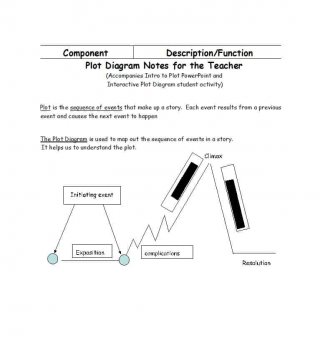

Plot Diagram Template 2
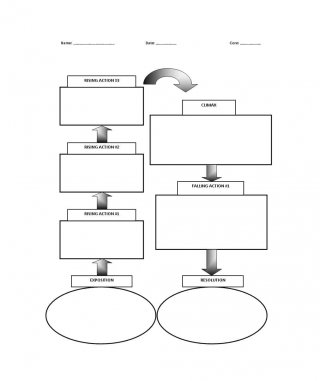
Plot Diagram Template 3
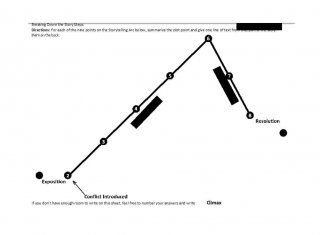
Plot Diagram Template 4
Plot Diagram Template 5
Plot Diagram Template 6
Plot Diagram Template 7
Plot Diagram Template 8
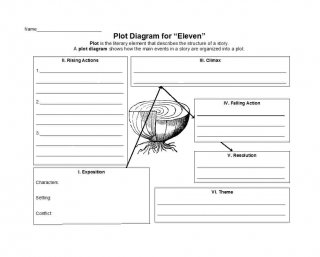
Plot Diagram Template 9
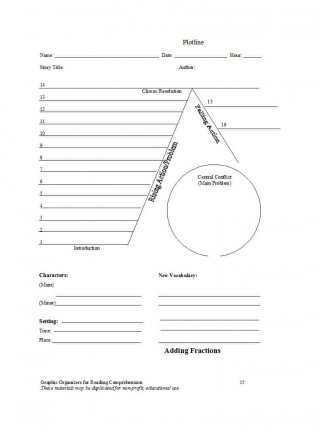
Plot Diagram Template 10
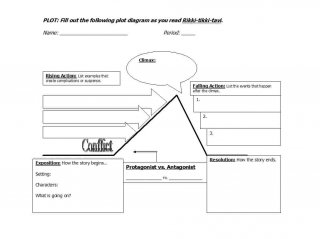
Plot Diagram Template 11
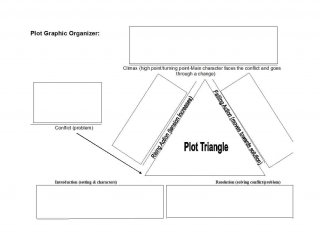
Plot Diagram Template 12
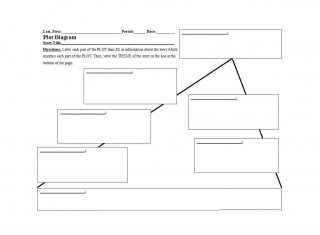
How to Fill Out a Plot Diagram
- Choose a story. Pick the book, short story, or your own idea that you want to map.
- Download a template. Select the layout that has enough space for your notes.
- Write the title and author. Add the story name at the top of the page.
- Fill in the exposition. Note the setting, main characters, and starting situation.
- Add rising action events. List the key events and conflicts that build tension, in order.
- Identify the climax. Write down the most important turning point of the story.
- Record the falling action. Describe what happens after the climax as the problem winds down.
- Finish with the resolution. Explain how the story ends and how the main conflict is settled.
Ways to Use Plot Diagrams
- Reading comprehension: Have students map a novel or short story after reading it.
- Creative writing: Plan the structure of a new story before writing the first draft.
- Book reports: Use the diagram as the outline for a written or oral report.
- Film and video planning: Sketch the main beats of a script or short film.
- Comparing stories: Fill in two diagrams side by side to compare plots and endings.
Tips for Better Plot Diagrams
- Keep each event short and focused, since the diagram is a summary, not a retelling.
- Use complete sentences for older students and short phrases for younger ones.
- Add small drawings in the boxes to make the plot easier to remember.
- Choose only the main events, not every detail, so the structure stays clear.
- Use different colors for each stage to make the arc stand out.
Frequently Asked Questions (FAQs)
What is a plot diagram?
A plot diagram is a graphic organizer that shows the structure of a story, usually as an arc with five stages: exposition, rising action, climax, falling action, and resolution.
Are these plot diagram templates free?
Yes. All 12 templates on this page are free to download and edit in Microsoft Word.
Who can use a plot diagram template?
Students, teachers, parents, and writers can all use them. They are especially popular in elementary, middle school, and high school English classes.
What is the difference between the climax and the resolution?
The climax is the peak of the story’s tension, where the main conflict reaches its turning point. The resolution comes at the end, where the outcome is settled and the story wraps up.
Can I use a plot diagram for my own story?
Yes. Many writers use one to outline their story before drafting so the pacing and structure stay balanced.
How do I edit these templates?
Download the Word file, open it in Microsoft Word or a compatible editor, then type in your story details or print it and fill it out by hand.
What grade level are plot diagrams for?
They work for many ages. Simple versions suit early elementary readers, while more detailed diagrams help older students analyze complex novels.
Final Thoughts
A plot diagram turns a story into a clear visual map, making it easier to read, analyze, and write. Pick one of these 12 free plot diagram templates, fill in the events of your story, and see how every part of the plot fits together.